
Why Do I Keep Getting Canker Sores (Mouth Ulcers)? What Actually Helps
Recurring canker sores (or mouth ulcers, as we call them here in Australia) are so common, and so frustrating. Especially when every check comes back clear and leaves you with nothing to actually do about them.
A member of my coaching programme asked me about exactly this just this week, so I dug into the research properly. And the good news is there’s plenty you CAN do, most of it simple and almost all of it free.
Here’s what I’d try, starting with the things that have the best research behind them.
The quick answer: canker sores that keep coming back usually come down to a mix of triggers: an irritating toothpaste ingredient (SLS), low levels of vitamin B12, iron, folate or zinc, stress and tiredness, and sharp, spicy or tangy foods. Start with an SLS-free toothpaste, ask your GP exactly which bloods were tested, and keep a simple trigger diary. And see your doctor or dentist if an ulcer lasts longer than three weeks.
Why do I keep getting canker sores?
First, a quick bit of clarity. Canker sores are the small, round, painful ulcers inside your mouth, usually white or yellow with a red edge. Doctors call them aphthous ulcers, and when they keep coming back, recurrent aphthous stomatitis. They’re NOT cold sores: cold sores sit on or around the lips, are caused by the herpes simplex virus and are contagious. Canker sores aren’t contagious at all.
Nobody knows exactly why some people get them over and over, and the honest answer is that it’s usually a mix of things. These are the triggers that come up again and again, in the research and in the NHS guidance:
- Your toothpasteSodium lauryl sulfate (SLS), the foaming agent in most toothpastes, can irritate the lining of your mouth.
- Low nutrientsLow B12, iron (ferritin), folate and zinc are all linked to ulcers that keep coming back.
- Stress and tirednessFeeling tired, stressed or anxious is one of the most common triggers of all.
- Sharp or tangy foodsCrisps, toast, and very spicy, salty or acidic foods can set them off or make them worse.
- A small injuryBiting your cheek, a sharp tooth, a rough filling, or braces or dentures that rub.
- Sensitivities and hormonesA food intolerance, hormonal changes and even stopping smoking can all play a part.
Canker sores are also most common when we’re younger and tend to ease off with age, which is exactly why new ulcers that start after 40 are worth getting checked (more on that below). And occasionally, ulcers that keep coming back are a sign of something else going on, like coeliac disease or Crohn’s disease, so if you also have gut symptoms, please don’t skip the GP visit.
1. Switch to an SLS-free toothpaste
Most toothpastes contain sodium lauryl sulfate (SLS), the foaming agent, and it can irritate the delicate lining of the mouth. In the trials that have compared them, people prone to ulcers had fewer, shorter and less painful ulcers on an SLS-free toothpaste.
A 2019 systematic review pulled together four small double-blind trials (124 people in total) and found SLS-free toothpaste reduced the number of ulcers, how long they lasted, how often they came back and how much they hurt. The studies are small and the reviewers would like to see bigger ones, but it’s an easy swap and it costs nothing extra. The NHS also advises avoiding toothpaste with SLS if you get mouth ulcers.
How to do it
Check the ingredients for “sodium lauryl sulfate” (or “sulphate”, or simply SLS). Plenty of supermarket and health food store brands are SLS-free now, and many say so on the front of the tube. Give it a couple of months before you judge it, because ulcers tend to come and go in cycles.
2. Check what your blood tests covered
“All the checks” doesn’t always mean everything was tested. This is the one I’d look at first if you suspect a deficiency, because the research link here is strong.
- Vitamin B12, iron and haemoglobin: a 2024 meta-analysis found people low in vitamin B12 had 2.9 times the odds of recurring ulcers, people with low ferritin (your iron stores) 2.5 times, and people with low haemoglobin 2.1 times.
- Iron and zinc: a second 2024 meta-analysis found lower iron and zinc levels in people with recurring ulcers than in healthy people.
- Zinc again: a 2021 meta-analysis of 19 studies found the same for zinc.
These studies show a link rather than proving that a deficiency causes the ulcers. But they’re easy, cheap things to check, and the Merck Manual notes that B vitamin, folate or iron supplements lessen recurring ulcers in some people.
Questions to ask your GP
- Which of these were tested: B12, ferritin (iron stores), folate, zinc and a full blood count?
- If any came back at the low end of normal, what does that mean for me?
- Should I be tested for coeliac disease?
If you are tested for coeliac disease, keep eating gluten until the test is done, or it can come back falsely clear.
Are you more likely to be low in B12?
Some people are much more likely to run low, even with a great diet. According to the US National Institutes of Health, that includes you if:
- You eat mostly or only plants. B12 is found naturally in animal foods, so if you eat mostly plants (like me!) you need fortified foods or a supplement.
- You’re over 50. Absorption tends to drop with age, especially with atrophic gastritis, which affects 8 to 9% of people over 65.
- You take reflux medication. PPIs (like omeprazole) and H2 blockers reduce stomach acid, which you need to absorb B12 from food. In a study of over 200,000 people, two or more years on PPIs was linked to 65% higher odds of B12 deficiency. (Please don’t stop a prescribed medication without talking to your doctor. If reflux is your bigger issue, here’s my 14-day alkaline plan for acid reflux.)
- You take metformin, which can lower B12 levels.
- You have coeliac disease or another gut condition that affects absorption.
If your B12 is low or at the low end of normal, talk to your GP or pharmacist about a supplement and how much to take. B12 has very low potential for toxicity, but it’s still worth a quick check first, especially if you’re on any medication.
Can B12 help even if your levels are normal?
There’s one trial I have to tell you about, and I’m going to be upfront about it. In a placebo-controlled trial, people with recurring ulcers took 1,000 mcg of B12 under the tongue every night for six months. By the last month, almost three quarters of them were ulcer-free, against about a third on the placebo.
1,000 mcg of B12 under the tongue each night (Volkov et al., 2009)
The interesting part is that it worked whether people’s blood B12 levels were low or normal. It does take a while to kick in, though: the two groups didn’t really pull apart until months five and six, so it needs a bit of patience.
In the interests of full transparency
This trial was part-funded by Solgar, the company that supplied the B12 tablets. The researchers state that Solgar took no part in planning the study, running it, analysing the data or writing it up, and the authors declared no conflicts of interest. It was also small (58 people).
I normally leave industry-funded studies out altogether, and I’d love to see this one repeated independently. But it was a properly randomised, double-blind trial, B12 is cheap and very low-risk, and it fits with everything else we know about B12 and ulcers. So I think you deserve to know about it, and to make up your own mind.
As with any supplement, run it past your GP or pharmacist before you start, especially if you’re on any medication.
3. Eat for the nutrients your mouth uses to heal
The lining of your mouth is constantly repairing itself, and these are some of the nutrients it relies on to do it. Here’s where to find them on an alkaline way of eating:
| Nutrient | Where to find it | Worth knowing |
|---|---|---|
| Vitamin B12 | Eggs, fish and dairy if you eat them; fortified plant milks and cereals; a supplement | There’s no reliable plant source, so if you eat mostly plants, fortified foods or a supplement are a must |
| Iron | Lentils, chickpeas, beans, spinach, pumpkin seeds, quinoa | Plant iron absorbs better with vitamin C, so pair it with capsicum, broccoli or a squeeze of lemon (once the ulcer has healed!) |
| Folate | Leafy greens, asparagus, lentils, beans, avocado | Greens are the backbone of eating alkaline, so this one largely takes care of itself |
| Zinc | Pumpkin seeds, hemp seeds, cashews, chickpeas, oats | A tablespoon or two of seeds on your salad or in a smoothie each day is an easy habit |
For the full picture, here’s my alkaline foods list, with 195 foods rated, and my guide to getting enough protein without meat (beans, lentils and seeds pull double duty for iron and zinc).
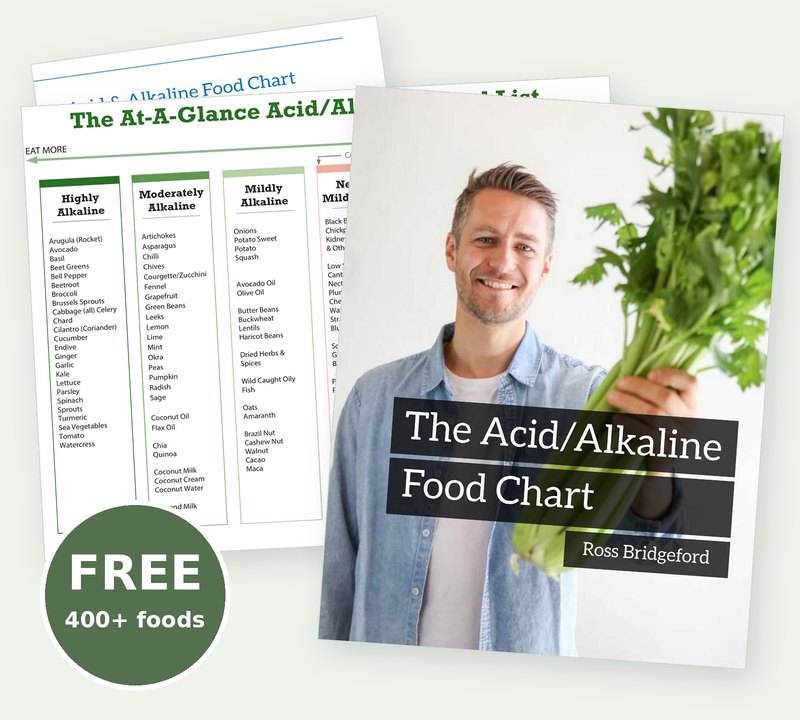
Want every food on one page? My free printable chart rates 400+ foods from Highly Alkaline to Highly Acidic. Get the free chart →
4. Find your food triggers
This is where it gets personal, because food triggers vary so much from person to person. The ones that come up most are:
- Sharp or crunchy foods: crisps, toast, crackers and crusty bread
- Tangy, acidic foods: citrus, pineapple, tomatoes, vinegar and fruit juice
- Very spicy, salty or very hot foods and drinks
- Foods you’re personally sensitive to: this is different for everyone, which is why the diary below matters
But aren’t lemons and tomatoes alkaline?
Yes, and this catches a lot of people out! There are two kinds of “acidic”. Lemons and tomatoes are acidic in your mouth (that’s their own pH, and it’s what stings an ulcer), but in your body their alkaline minerals far outweigh their acid. That’s why lemons are Moderately Alkaline and tomatoes are Highly Alkaline.
So you don’t need to cut them out of your life. Just give them a miss while an ulcer is healing, or if you notice they set yours off. I explain the two kinds of acidic properly in my acidic foods guide.
Keep a simple trigger diary
Jot down what you ate and how stressful things were in the two or three days before each ulcer appears. After a few ulcers, a pattern often shows up. It can be as simple as this:
| Date the ulcer appeared | What I ate in the 2 to 3 days before | Stress and sleep | Anything else? |
|---|---|---|---|
| e.g. 4 March | Pineapple, salt and vinegar chips | Big week at work, poor sleep | Bit my cheek on Sunday |
5. Look after stress and sleep
Feeling tired, stressed or anxious is one of the triggers the NHS lists, and in a study of 705 people with recurring ulcers, stress was the most common factor of all, named by more than half of them.
Now, I know “reduce stress” is easier said than done! But the basics really do help here: a proper bedtime, a daily walk (even 15 minutes), and a few minutes of slow breathing when things get busy. And if you notice your ulcers turn up after a big week, that’s your body telling you something.
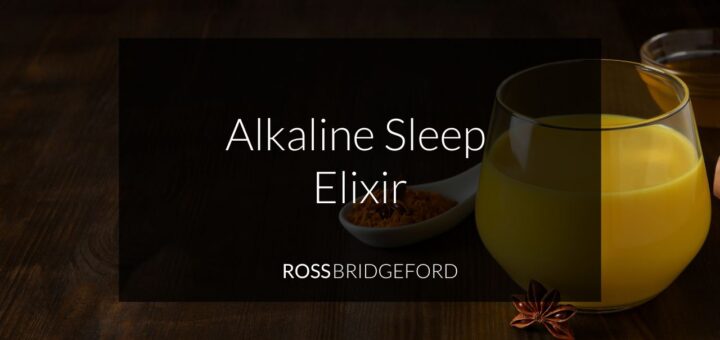
Sleep is one of the first things I work on with the people I coach, and what you eat plays a part here too. In one recent study, people eating the most acid-forming diets had more than double the odds of sleeping under six hours a night. And in another, of over 60,000 people, eating more plant protein was linked with better sleep. If you’d like a bedtime ritual to help you wind down, try my Alkaline Sleep Elixir, a warm, creamy drink made with magnesium (let it cool to warm rather than hot if your mouth is sore).
How to get rid of a canker sore when it flares up
Most canker sores heal on their own within a week or two. You can’t make one disappear overnight (whatever the internet says!), but you can make it a lot more comfortable while it heals:
- A bicarb soda rinse. Half to one teaspoon of bicarb soda (baking soda) in a small glass of warm water, about 120 ml. Swish it around, then spit it out. It soothes the ulcer and keeps it clean, and the American Academy of Oral Medicine lists it for cleaning ulcers. You can use it a few times a day.
- Or a salt water rinse. Half a teaspoon of salt in a glass of warm water, rinse and spit, as the NHS suggests.
- A soft toothbrush, and brush gently around the sore.
- Cool drinks through a straw, and soft foods (more on those below).
- Ask your pharmacist about a protective gel or paste if it’s really painful.
Coconut oil pulling (optional)
Swish a teaspoon of coconut oil around your mouth for 10 to 15 minutes first thing, then spit it in the bin rather than the sink (it can clog your pipes). The research on oil pulling is mostly for gums and plaque rather than ulcers, and even there the evidence is limited, so think of it as a gentle extra rather than the main fix.
What I’d skip
Clove oil. It’s often suggested for mouth pain, but there are reports of it burning the inside of the mouth when it’s put on ulcers. Bicarb or salt water does the job without that risk. And skip anything that stings: neat lemon juice, vinegar, or alcohol-based mouthwashes.
What to eat when you have a canker sore
Think soft, cool and gentle. Here’s what I’d lean on until it heals:
| Go for | Give these a miss for now |
|---|---|
| Green smoothies (without citrus or pineapple) | Citrus, pineapple and fruit juice |
| Blended soups, warm rather than hot | Tomato-based sauces and soups |
| Avocado, hummus and mashed sweet potato | Crisps, toast, crackers and crusty bread |
| Porridge, overnight oats and chia pudding | Chilli and very spicy food |
| Steamed greens, quinoa and soft-cooked vegetables | Vinegar, pickles and salty snacks |
| Water and herbal teas (warm, not hot) | Very hot drinks, and acidic ones like coffee |
A few of my recipes that are perfect while your mouth is sore:

Smoothie
My Reflux-Relief Soothing Smoothie: made for sensitive tummies, and easy to drink when eating hurts

Soup
My Creamy Broccoli Soup with Ginger and Leek (leave out the chilli until the ulcer heals)

Soup
My Veggie Blend Fatigue Recovery Soup (skip the lemon for now)
Breakfast
My 9 alkaline breakfasts (pick the soft ones while your mouth is sore)
The bigger picture
Moving your diet towards more plants supports all of this, with more greens, healthy fats and the minerals your body uses to heal. That’s the background work, and it’s exactly what I teach with the alkaline diet: not perfection, just 80/20, focusing on the good and crowding out the bad.
Just remember the one exception: if you eat mostly plants, look after your B12.
When to see your doctor or dentist
Most of the time canker sores are nothing serious. But see your GP or dentist if:
- An ulcer lasts longer than 3 weeks
- It’s unlike your usual ones, bleeds, or becomes more painful and red
- You get ulcers elsewhere on your body, or painful, red or swollen joints
- Your ulcers started for the first time after the age of 40
- You also have gut symptoms (diarrhoea, bloating or tummy pain) or unexplained weight loss
- You’re getting them so often that one barely heals before the next one starts
These are worth ruling out, and your GP can check those bloods while you’re there.
Canker sores FAQ
Why do I keep getting canker sores?
Usually it’s a mix of triggers rather than one cause: sodium lauryl sulfate (SLS) in your toothpaste, low vitamin B12, iron, folate or zinc, stress and tiredness, sharp or tangy foods, and small injuries like biting your cheek. Less often, they’re linked to a condition like coeliac disease or Crohn’s disease, so see your GP if they keep coming back.
What is your body lacking when you get canker sores?
Often nothing, but low vitamin B12, iron (ferritin), folate and zinc are the deficiencies most linked to recurring canker sores. A 2024 meta-analysis found low B12 came with nearly three times the odds. Ask your GP exactly which of these your blood tests covered.
Do canker sores mean low immunity?
Not usually. Canker sores involve the immune response in the lining of your mouth, but most people who get them are otherwise healthy. Lots of ulcers at once, along with other symptoms, can point to a weakened immune system or another condition, so see your GP if that sounds like you.
How often is too often for canker sores?
There’s no magic number, but if you’re getting them every month, or one barely heals before the next appears, it’s worth seeing your GP to check your bloods and rule out other causes.
Are canker sores and mouth ulcers the same thing?
Yes. “Canker sore” is the American name, and “mouth ulcer” is what we call them in Australia and the UK. Doctors call them aphthous ulcers.
Are canker sores the same as cold sores?
No. Canker sores are inside your mouth and aren’t contagious. Cold sores appear on or around the lips, are caused by the herpes simplex virus, and are contagious.
What foods cause canker sores?
The usual suspects are sharp, crunchy foods (crisps, toast), tangy acidic foods (citrus, pineapple, tomatoes, vinegar), very spicy, salty or hot foods, and any food you’re personally sensitive to. They tend to trigger or aggravate ulcers rather than being the whole story, so a simple food and stress diary is the best way to find yours.
What should I eat with a canker sore?
Soft, cool, gentle foods: green smoothies without citrus or pineapple, blended soups, avocado, hummus, mashed sweet potato, porridge, chia pudding, steamed greens and quinoa. Drink water and warm (not hot) herbal teas, ideally through a straw.
How long do canker sores last?
Most heal on their own within one to two weeks. See your GP or dentist if one lasts longer than three weeks.
Does vitamin B12 help canker sores?
It may, even if your levels are normal. In a small placebo-controlled trial (part-funded by the company that supplied the tablets), 1,000 mcg of B12 under the tongue every night for six months left 74% of people ulcer-free, against 32% on the placebo. Low B12 is also strongly linked to recurring canker sores, so get your levels tested, and talk to your GP or pharmacist before you start a supplement.
Free download
The full acid/alkaline chart, on one page
My free chart rates 400+ foods from Highly Alkaline to Highly Acidic, with a one-page version for your fridge. It makes eating more greens, beans and seeds (and all the minerals that come with them) so much easier.
It’s free. Just tell me where to send it.
If you have any questions, or something that’s worked for you, just post it below in the comments. I read every one!

Ross has taught and coached realistic, sustainable alkaline eating since 2004, working with thousands of clients around the world. He’s the author of The Alkaline Reset Cleanse and The Alkaline Life (Hay House). Ross is a health educator, not a doctor or dietitian, so if you have a medical condition, talk to your own health professional before making big changes to your diet.
Sources
- NHS: Mouth ulcers, causes, self-care and when to see a GP or dentist
- Alli, Erinoso and Olawuyi (2019), Effect of sodium lauryl sulfate on recurrent aphthous stomatitis: a systematic review, Journal of Oral Pathology & Medicine
- Mousavi, Jalali and Moosazadeh (2024), Hematological parameters in patients with recurrent aphthous stomatitis: a systematic review and meta-analysis, BMC Oral Health
- Torabinia, Asadi and Tarrahi (2024), The relationship between iron and zinc deficiency and aphthous stomatitis: a systematic review and meta-analysis, Advanced Biomedical Research
- Al-Maweri et al. (2021), Association between serum zinc levels and recurrent aphthous stomatitis: a meta-analysis with trial sequential analysis, Clinical Oral Investigations
- Merck Manual Professional: Recurrent aphthous stomatitis
- Akintoye and Greenberg (2014), Recurrent aphthous stomatitis, Dental Clinics of North America
- AMBOSS: Aphthous stomatitis, age of onset and features that suggest an underlying cause
- Volkov et al. (2009), Effectiveness of vitamin B12 in treating recurrent aphthous stomatitis: a randomized, double-blind, placebo-controlled trial, Journal of the American Board of Family Medicine (part-funded by Solgar, the supplier of the B12 tablets)
- NIH Office of Dietary Supplements: Vitamin B12 fact sheet
- Lam et al. (2013), Proton pump inhibitor and histamine 2 receptor antagonist use and vitamin B12 deficiency, JAMA
- Patil et al. (2014), Prevalence of recurrent aphthous ulceration in the Indian population, Journal of Clinical and Experimental Dentistry
- American Academy of Oral Medicine: Canker sores, treatment
- Woolley et al. (2020), The effect of oil pulling with coconut oil to improve dental hygiene and oral health: a systematic review, Heliyon