


Sulforaphane: Benefits, Best Foods & How to Get More

Sulforaphane is one of my favourite plant compounds to talk about. It’s the reason broccoli (and especially broccoli sprouts) gets talked about like a superfood, and it’s one of the most researched compounds in all of nutrition.
I first wrote about sulforaphane back in 2020, and honestly, I got swept up in the early lab research on viruses that was flying around at the time. A lot of lab and test-tube findings never hold up in people, so I’ve rewritten this guide from scratch, and this time I’ve stuck to what human trials actually show.
I’ll show you what sulforaphane is, what it does in your body, the real benefits from human studies, the foods highest in it, the simple kitchen tricks that make a HUGE difference to how much you get, how much you need, what to look for in a supplement, and the side effects worth knowing about.
The quick answer: sulforaphane is a natural compound your body gets from broccoli and other cruciferous vegetables. The plant stores a harmless precursor, glucoraphanin, and an enzyme called myrosinase turns it into sulforaphane when you chop or chew it. Sulforaphane switches on your body’s own antioxidant and detox defences (the NRF2 pathway, which also builds glutathione), and human trials link it to lower inflammation, better insulin sensitivity and faster clearing of some air pollutants. Broccoli sprouts are by far the richest source, with 10 to 100 times more than mature broccoli. To get the most, eat your crucifers raw or lightly steamed, and add a little mustard powder to cooked or frozen broccoli. There’s no official daily amount: studies have used about 30 g of fresh sprouts, or around 7 to 27 mg of sulforaphane, a day.
What is sulforaphane?
Sulforaphane is a sulfur-rich plant compound from the isothiocyanate family. You get it from cruciferous vegetables: broccoli, broccoli sprouts, Brussels sprouts, cabbage, cauliflower and kale (Linus Pauling Institute).
But here’s the fascinating bit: the vegetable itself barely contains any ready-made sulforaphane. Instead, it carries two separate ingredients, kept apart in different parts of the plant’s cells:
- Glucoraphanin, the precursor (one of a family of compounds called glucosinolates), and
- Myrosinase, the enzyme that converts it.
When you chop, blend or chew the vegetable, the cells break open, the two meet, and sulforaphane is made on the spot. It’s the plant’s own defence system (that slightly bitter, peppery bite is how it deters insects), and it just happens to be wonderful for us too.
This two-part system is the single most important thing to understand about sulforaphane, because it explains everything that follows: why raw beats cooked, why frozen broccoli is a let-down, and why a little mustard powder makes such a difference.
Sulforaphane vs glucoraphanin: what’s the difference?
| Glucoraphanin | Sulforaphane | |
|---|---|---|
| What it is | The stable, inactive precursor stored in the plant | The active compound your body uses |
| Where you find it | Broccoli, broccoli sprouts and seeds, and most supplements | Made when glucoraphanin meets myrosinase (or your gut bacteria) |
| Needs | Myrosinase to be converted | Nothing: it’s ready to absorb |
If the myrosinase has been destroyed (by cooking, say), your gut bacteria can still convert some glucoraphanin for you. But how much varies enormously from person to person: in one feeding study, people converted anywhere from 1% to 41% of it, with an average of about 12% (Linus Pauling Institute). Which is exactly why keeping that enzyme alive matters so much.
How sulforaphane works in your body
Sulforaphane isn’t an antioxidant in the way vitamin C is. It doesn’t mop up free radicals itself. Instead it does something I find far more exciting: it switches on your body’s own defences.
It does this through a master switch called NRF2. When sulforaphane activates NRF2, your cells ramp up dozens of protective genes, including the ones that make:
- Glutathione, your body’s most important home-made antioxidant
- Phase 2 detox enzymes, which help your body package up and clear pollutants and other unwanted compounds
- Anti-inflammatory signals that help calm chronic, low-grade inflammation
And because your own enzymes keep working long after a single dose has left your blood, the effect can outlast the sulforaphane itself. If you want the bigger picture on how antioxidants really work (and why your body’s own systems matter more than any pill), I’ve covered it in my guide to what antioxidants really do.
Why sulforaphane ticks all three boxes
My Triple-A model is all about eating foods that are alkaline, antioxidant-rich and anti-inflammatory. Sulforaphane foods hit all three: every one of them is Highly Alkaline, they switch on your body’s own antioxidant defences, and they help calm inflammation. It’s why crucifers are at the very heart of my alkaline diet.
Sulforaphane benefits: what human trials show
Sulforaphane in human trials
There are thousands of studies on sulforaphane, but most are in cells and animals. Here I’ve stuck to randomised human trials, and I’ve flagged clearly where a company or patent is involved:
- Inflammation: 40 healthy but overweight adults added 30 g of fresh broccoli sprouts to their day for 10 weeks. Their IL-6 (a key inflammation marker) fell from 4.76 to 2.11 pg/mL, and C-reactive protein fell too (López-Chillón and colleagues, 2019). I go through this trial and two others in 3 human trials on broccoli sprouts and inflammation.
- Blood sugar: in 81 people with type 2 diabetes, 10 g of broccoli sprout powder a day for 4 weeks lowered fasting insulin and insulin resistance compared with a placebo (5 g a day wasn’t enough) (Bahadoran and colleagues, 2012). A Swedish team has also found that a broccoli sprout extract lowered fasting blood sugar and HbA1c in people with obesity and poorly controlled type 2 diabetes (Axelsson and colleagues, 2017). In their 2025 follow-up in 74 people with prediabetes, though, the extract missed its main target, with an average drop of just 0.2 mmol/L, although people with milder obesity and the right gut bacteria responded much better (Dwibedi and colleagues, 2025). Please note: some of these researchers hold patents on using sulforaphane for blood sugar, and the 2025 trial was part-funded by the company that supplied the extract.
- Clearing air pollutants: 291 people living in a heavily polluted region of China drank a broccoli sprout drink every day for 12 weeks. They excreted 61% more of the pollutant benzene and 23% more acrolein than the placebo group, and the effect held up for the whole 12 weeks (Egner and colleagues, 2014, funded by the US National Institutes of Health).
- Glutathione: in a small pilot study, seven days of sulforaphane raised glutathione levels in healthy volunteers’ blood, and brain scans showed glutathione rising in the brain too (Sedlak and colleagues, 2018, funded by the US National Institute of Mental Health). Small, early and fascinating.
- Your immune response: healthy young adults ate broccoli sprout shakes (or alfalfa sprouts as the placebo) for four days, then had a standard nasal flu vaccine, which uses a weakened live virus, as a safe test. In smokers, the broccoli sprouts lowered the inflammatory IL-6 response and the amount of virus in their nasal fluid (Noah and colleagues, 2014), and boosted the virus-fighting activity of their natural killer cells (Müller and colleagues, 2016). It doesn’t prove broccoli sprouts prevent flu, but it does show a real effect on the human immune response.
What about sulforaphane and cancer?
This is where sulforaphane research started, and it’s where I want to be really careful. In the lab and in animals, sulforaphane and its cousins have held back cancer development in several organs, through mechanisms like protecting DNA, deactivating carcinogens and calming inflammation. But in human population studies, the US National Cancer Institute says the results for cruciferous vegetables have been mixed (NCI).
So I’d never tell you sulforaphane prevents or treats cancer. What I will say is that eating plenty of cruciferous vegetables is one of the easiest, cheapest, most proven healthy habits there is, and the research on sulforaphane is a big part of why it’s so exciting.
A note on my sources: I don’t use studies paid for by companies with a vested interest. Where a study was part-funded by industry, or the researchers hold patents, I’ve said so right next to it, so you can weigh it up for yourself.
Foods high in sulforaphane
Broccoli sprouts are the undisputed champions. Three-day-old sprouts contain 10 to 100 times more glucoraphanin than mature broccoli, by weight (Fahey and colleagues, 1997; Linus Pauling Institute). That’s why a small handful a day can do so much.
After sprouts, broccoli is the best everyday source, because it’s especially rich in glucoraphanin. The rest of the cruciferous family carries plenty of glucosinolates too, but much of theirs turns into sulforaphane’s close cousins (like allyl isothiocyanate in mustard and Brussels sprouts, or PEITC in watercress) rather than sulforaphane itself. They’re all good for you, so variety is a big win:
| Food and serving | Total glucosinolates | What they mostly turn into | Rating |
|---|---|---|---|
| Broccoli sprouts | 10 to 100 times more glucoraphanin than broccoli | Sulforaphane (the richest source by far) | Highly Alkaline |
| Broccoli ½ cup chopped (44 g) | 27 mg | Sulforaphane (the best everyday source) | Highly Alkaline |
| Brussels sprouts ½ cup (44 g) | 104 mg | Sulforaphane and allyl isothiocyanate | Highly Alkaline |
| Kale 1 cup chopped (67 g) | 67 mg | Sulforaphane and others | Highly Alkaline |
| Savoy cabbage ½ cup chopped (45 g) | 35 mg | Sulforaphane and allyl isothiocyanate | Highly Alkaline |
| Watercress 1 cup chopped (34 g) | 32 mg | Mostly PEITC (a close cousin) | Highly Alkaline |
| Red cabbage ½ cup chopped (45 g) | 29 mg | Sulforaphane and allyl isothiocyanate | Highly Alkaline |
| Cauliflower ½ cup chopped (50 g) | 22 mg | Sulforaphane and others | Highly Alkaline |
| Bok choy ½ cup chopped (35 g) | 19 mg | A mix (less well studied) | Highly Alkaline |
Glucosinolate figures are for raw vegetables, from the Linus Pauling Institute, and vary a lot with variety, growing conditions and storage. Ratings from the Acid/Alkaline Food Chart.
Rocket (arugula), mustard greens, horseradish, radish and turnip are crucifers too, so throw them in wherever you can. And if you’ve ever worried about oxalate in kale, please don’t: it’s a non-issue for practically everyone.
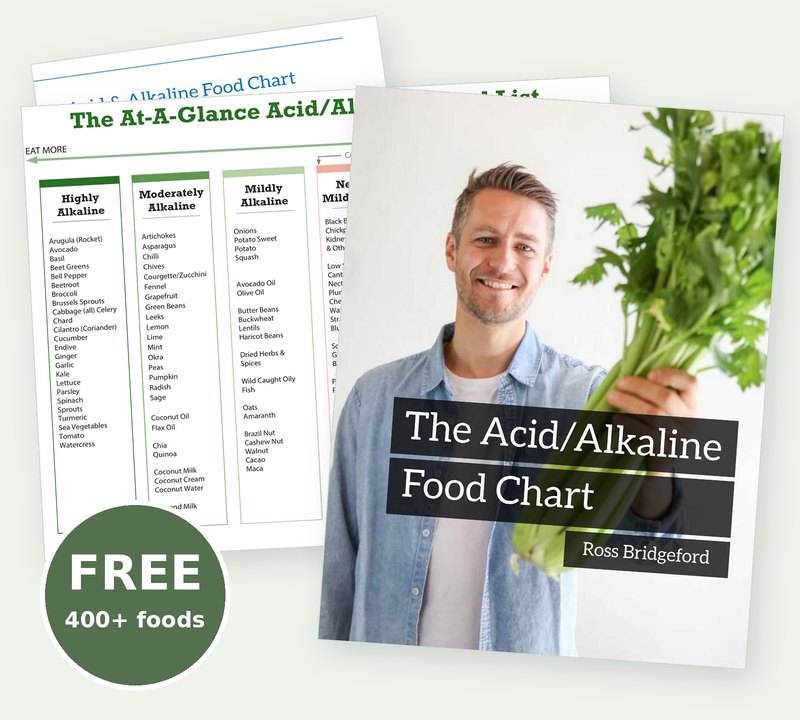
Want every food on one page? My free printable chart rates 400+ foods from Highly Alkaline to Highly Acidic, crucifers included, so it’s easy to build your meals around them. Get the free chart →
How to get more sulforaphane from your food
This is where it gets really practical, and where most people are (unknowingly) missing out. Because sulforaphane depends on that fragile myrosinase enzyme, HOW you prepare your broccoli matters as much as how much you eat.
1. Raw beats cooked (by a mile)
When eight men ate 200 g of broccoli either raw or cooked, they absorbed 37% of the sulforaphane from the raw broccoli, compared with just 3.4% from the cooked. The raw broccoli was absorbed faster too, peaking in the blood at about 1.6 hours versus 6 hours (Vermeulen and colleagues, 2008).
200 g of broccoli, raw vs cooked: Vermeulen and colleagues, 2008
So get some raw crucifers into your day: shredded broccoli or cabbage in a slaw, broccoli florets with a dip, a handful of sprouts on everything, or rocket and watercress in your salads.
2. If you cook, keep it light
Heat destroys myrosinase, but light steaming for under five minutes keeps some of it alive, so your broccoli can still make sulforaphane (Linus Pauling Institute). Aim for bright green and still a little crunchy. Long boiling is the worst of all worlds.
3. Add a little mustard powder
This is my absolute favourite trick. Mustard seeds are packed with myrosinase, so adding a little ground mustard to cooked broccoli brings the enzyme back. When 12 adults ate 200 g of cooked broccoli with just 1 g of powdered brown mustard seed, they absorbed more than four times as much sulforaphane as with the broccoli alone (Okunade and colleagues, 2018). I’ve written the whole thing up in the 4x broccoli trick.
4. Rescue your frozen broccoli
Here’s one that surprises almost everyone. Frozen broccoli is blanched before it’s frozen, and that blanching destroys the myrosinase. Researchers found that commercial frozen broccoli couldn’t make sulforaphane, even after thawing for nine hours, unless they added a fresh source of the enzyme (Dosz and Jeffery, 2013).
Frozen broccoli is still a brilliant, convenient food, so don’t stop buying it. Just add a little mustard powder, or some grated daikon radish, whose myrosinase held up surprisingly well to heat in the same research.
5. Chew well (and let your gut help)
Chewing is chopping too, so take your time. And whatever the enzyme misses, your gut bacteria can convert some of, which is one more great reason to look after your gut with plenty of fibre and plants.
6. Grow your own broccoli sprouts
Broccoli sprouts can be hard to find in the shops, but they’re ridiculously easy to grow on your bench in about four or five days, for a fraction of the price. Here’s my guide on how to grow sprouts. Keep them in the fridge, rinse them well, and eat them raw, since cooking undoes all that good work (see the food safety note in the safety section).
My 6 simple sulforaphane habits
- A small handful of broccoli sprouts a day
- Something raw and cruciferous daily (slaw, rocket, watercress)
- Steam broccoli lightly: bright green and crunchy
- A little mustard powder (about 1 g) on cooked or frozen broccoli
- Chop, then cook, rather than cooking whole
- Mix up your crucifers through the week
You don’t have to do all six, and you never have to be perfect. Even one or two of these, done most days, adds up to a LOT more sulforaphane.
How much sulforaphane per day?
There’s no official daily target for sulforaphane: it isn’t an essential nutrient, so there’s no RDI. The best guide we have is the amounts that worked in human trials:
| What was studied | What people took each day | Roughly |
|---|---|---|
| Inflammation López-Chillón, 2019 | 30 g of fresh broccoli sprouts, for 10 weeks | A generous handful of sprouts |
| Insulin resistance Bahadoran, 2012 | 10 g of broccoli sprout powder, for 4 weeks | 10 g of powder |
| Air pollutants Egner, 2014 | A sprout drink with 600 μmol of glucoraphanin plus 40 μmol of sulforaphane, for 12 weeks | About 262 mg of glucoraphanin plus 7 mg of sulforaphane |
| Blood sugar Axelsson, 2017; Dwibedi, 2025 | A broccoli sprout extract with 150 μmol of sulforaphane, for 12 weeks | About 27 mg of sulforaphane |
Studies often give doses in micromoles (μmol). 1 μmol of sulforaphane is about 0.18 mg, and 1 μmol of glucoraphanin about 0.44 mg.
So, in plain English: a daily handful of fresh broccoli sprouts, or a supplement giving roughly 7 to 27 mg of sulforaphane (or 40 to 150 μmol), is in the range that’s been studied. More isn’t necessarily better, and the higher doses are where tummy upsets start to show up (more on that below).
Sulforaphane supplements: what to look for
Food first, always. But I know a daily supplement is easier for a lot of people (and let’s be honest, broccoli sprout powder doesn’t taste amazing. It’s, well, sulfur-y). If you go that way, the most important thing to understand is that there are three very different kinds:
| Type | What’s in it | What to know |
|---|---|---|
| Glucoraphanin only | Broccoli seed or sprout extract, with no active enzyme | Relies entirely on your gut bacteria, so you may convert very little |
| Glucoraphanin plus myrosinase | The precursor and the enzyme together (often from mustard seed) | Makes sulforaphane in your gut, like eating raw broccoli. The best choice for most people |
| Stabilised sulforaphane | Ready-made sulforaphane, stabilised so it keeps | Doesn’t need converting, so check the label for the actual mg per serve |
That middle option matters more than you’d think. Supplements without myrosinase produce much lower levels of sulforaphane in the body than fresh broccoli sprouts do (Linus Pauling Institute).
What I’d look for in the best sulforaphane supplement:
- Active myrosinase included (or stabilised sulforaphane), not glucoraphanin on its own
- A clear amount of glucoraphanin or sulforaphane per serve, in mg or μmol, not just “broccoli extract”
- Independent testing for purity, from a brand you trust
- A dose in the studied range, starting low to see how your tummy handles it
The one I’ve recommended since 2020 is Thorne’s Broccoli Seed Extract (it used to be called Crucera-SGS). Each capsule has 50 mg of glucoraphanin from broccoli and kale, plus myrosinase from mustard seed to help convert it (Thorne). I need to correct something here, too: the old version of this guide said it gave 50 mg of sulforaphane per capsule. That was wrong. It’s 50 mg of glucoraphanin (about 114 μmol), which your body then converts.
Supplement or sprouts?
If you can grow or buy fresh broccoli sprouts, that’s my first choice every time: they’re cheap, you get the whole food, and the enzyme comes built in. A supplement is the cherry on top for busy weeks or travel, never a replacement for your greens.
Sulforaphane side effects and safety
From food, sulforaphane is about as safe as it gets. No serious side effects have been reported in humans (Linus Pauling Institute). But there are a few things worth knowing, especially if you take a supplement:
- Tummy upsets: the most common side effect, mostly with higher-dose supplements. In the 2025 Swedish trial (150 μmol a day), loose stools, nausea, diarrhoea, vomiting and reflux were more common on the extract than the placebo (Dwibedi and colleagues, 2025). Start low, take it with food, and build up.
- Your thyroid: crucifers often get a bad rap here, but in a 12-week trial in China, 84 days of a daily broccoli sprout drink didn’t change the women’s thyroid function (TSH, free T4 and thyroglobulin) or thyroid antibodies (Chartoumpekis and colleagues, 2019). An earlier safety study of sprout extracts three times a day found no problems with thyroid or liver function either (Shapiro and colleagues, 2006). I’ve covered the whole goitrogen question in the truth about cruciferous vegetables and your thyroid.
- Raw sprouts and food safety: the FDA advises children, older adults, pregnant women and anyone with a weakened immune system to avoid raw or lightly cooked sprouts of any kind, because they can carry bacteria that cause food poisoning (FDA). If that’s you, stick to lightly steamed broccoli with mustard powder, or talk to your doctor about a supplement.
- Pregnancy and breastfeeding: there’s no safety research on high-dose sulforaphane supplements in pregnancy or breastfeeding (Linus Pauling Institute), so stick to the vegetables (cooked sprouts, per the note above).
- Medicines: sulforaphane isn’t known to interact with any medicines, but in theory it could affect some that are processed by liver enzymes (Linus Pauling Institute). If you take regular medication, check with your doctor or pharmacist before starting a supplement.
Sulforaphane-rich recipes
Here are some of my favourite ways to get more crucifers into your week. Remember the tricks: keep the cooking light, chop first, and add a little mustard powder (or a handful of fresh sprouts) when it’s served.

Raw
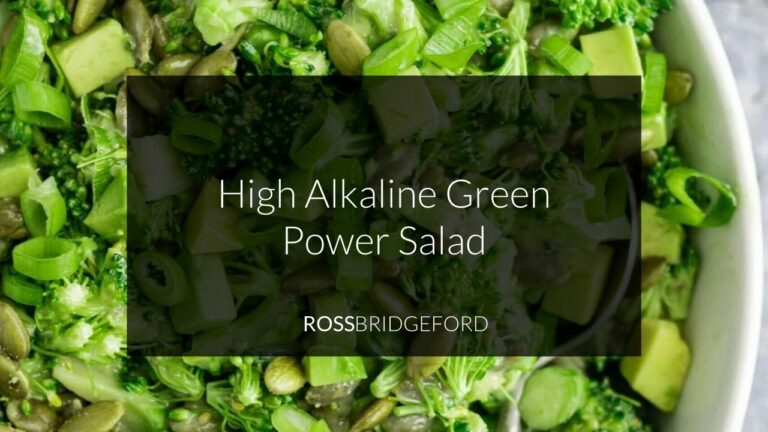
My Green Power Salad: raw kale and broccoli, so the enzyme stays intact
Raw
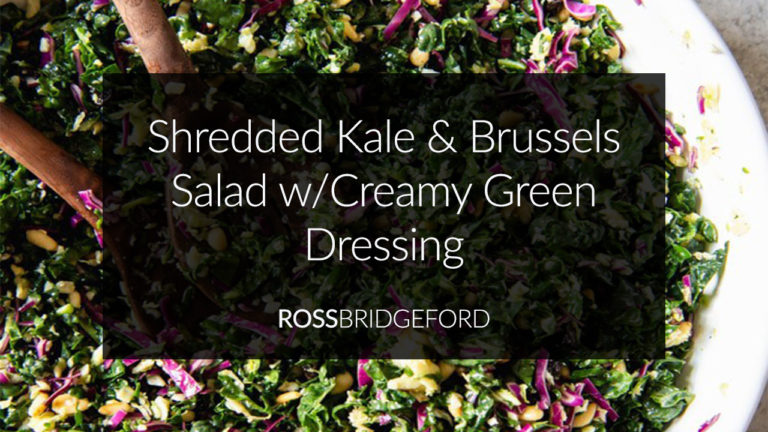
My Shredded Kale & Brussels Creamy Salad: two crucifers, shredded raw
Lunch
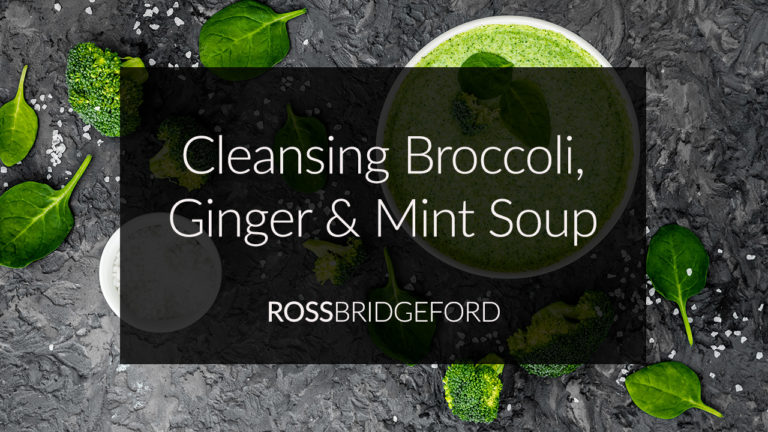
My Broccoli, Ginger & Mint Soup: a 10-minute meal (stir in mustard powder or sprouts to serve)
Snack
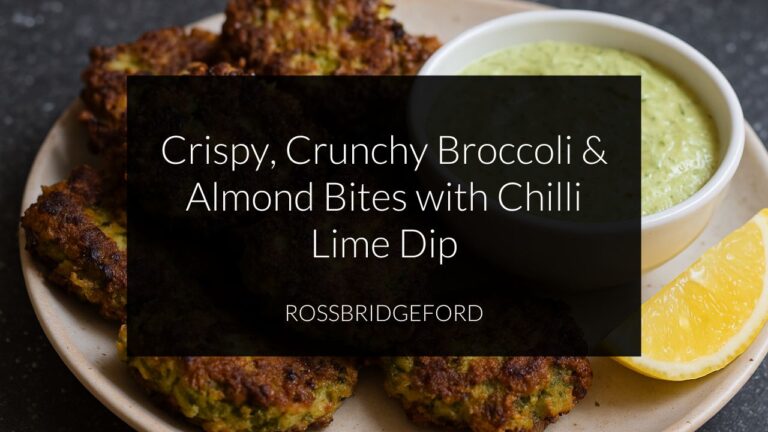
My Crispy Broccoli & Almond Bites with a chilli-lime dip


Dinner
My Turmeric Roasted Cauliflower with mint and coriander
Dinner
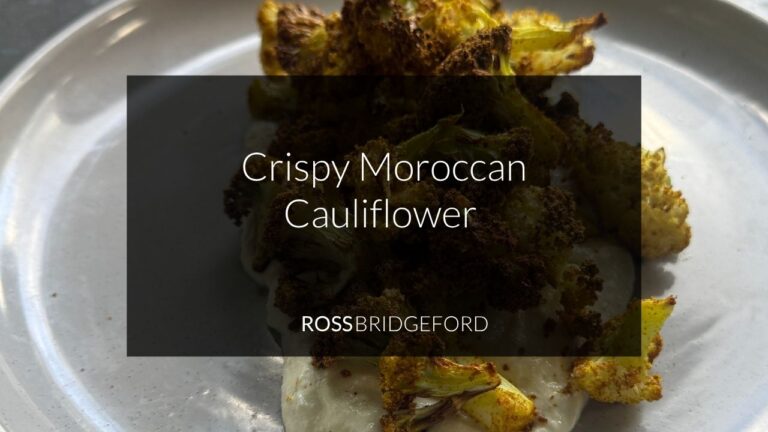
My Crispy Moroccan Cauliflower with a tahini avocado sauce: a crowd-pleaser, even for broccoli-dodgers
For more ideas, my anti-inflammatory foods guide and alkaline foods list are full of them.
Free download
The full acid/alkaline chart, on one page
My free chart rates 400+ foods from Highly Alkaline to Highly Acidic, with a one-page version for your fridge. Broccoli, sprouts, kale and the rest of the crucifers are right at the top.
Sulforaphane FAQ
What is sulforaphane?
Sulforaphane is a natural sulfur compound from broccoli and other cruciferous vegetables. The plant stores an inactive precursor, glucoraphanin, and the enzyme myrosinase converts it into sulforaphane when you chop or chew the vegetable. In your body, it switches on the NRF2 pathway, which ramps up your own antioxidant and detox defences, including glutathione.
What are the benefits of sulforaphane?
In human trials, broccoli sprouts and sulforaphane have lowered inflammation markers like IL-6 and CRP, improved insulin resistance in type 2 diabetes, helped the body clear air pollutants such as benzene, and raised glutathione levels. Lab and animal research on cancer is promising, but human studies are mixed, so it’s best seen as part of a healthy diet rather than a treatment.
What foods are highest in sulforaphane?
Broccoli sprouts, by a long way: they contain 10 to 100 times more glucoraphanin than mature broccoli. After that comes broccoli itself, then Brussels sprouts, kale, cabbage and cauliflower. Watercress, rocket, mustard greens and bok choy are crucifers too, and while some of their glucosinolates turn into sulforaphane’s close cousins instead, they’re all great choices.
Does cooking destroy sulforaphane?
Cooking destroys myrosinase, the enzyme that makes sulforaphane. In one study, people absorbed 37% of the sulforaphane from raw broccoli but only 3.4% from cooked. Light steaming for under five minutes keeps some of the enzyme, and adding about 1 g of mustard powder to cooked broccoli boosted sulforaphane more than four times.
Does frozen broccoli have sulforaphane?
It still has glucoraphanin, but the blanching it goes through before freezing destroys myrosinase, so frozen broccoli can’t make sulforaphane on its own. Add a little mustard powder, or some grated daikon radish, to bring the enzyme back. Your gut bacteria can also convert a little.
How much sulforaphane per day should I have?
There’s no official RDI. Human trials have used about 30 g of fresh broccoli sprouts a day, 10 g of broccoli sprout powder, or supplements giving roughly 7 to 27 mg (40 to 150 μmol) of sulforaphane. Start at the lower end, especially with supplements, because higher doses can upset your stomach.
Is it better to get sulforaphane from food or supplements?
Food first. Fresh broccoli sprouts come with the enzyme built in, along with fibre and other nutrients. If you use a supplement, choose one with active myrosinase (or stabilised sulforaphane), because glucoraphanin-only supplements rely on your gut bacteria and may give you very little.
What are the side effects of sulforaphane?
From food, side effects are rare. Higher-dose supplements can cause loose stools, nausea, diarrhoea or reflux. Children, older adults, pregnant women and people with weakened immune systems should avoid raw sprouts for food safety reasons, and anyone on regular medication should check with their doctor or pharmacist before starting a supplement.
Is sulforaphane bad for your thyroid?
The human research is reassuring. In a 12-week trial in China, a daily broccoli sprout drink didn’t change thyroid function or thyroid antibodies, and an earlier safety study found no effect on thyroid function either. If you have a thyroid condition, cruciferous vegetables are still fine for most people, but check with your doctor before taking a high-dose supplement.
Is sulforaphane good for your liver?
Many of the detox enzymes that sulforaphane switches on work in your liver, and in one large trial a daily broccoli sprout drink helped people clear more of the pollutants benzene and acrolein. But there isn’t yet good independent research on sulforaphane and liver disease, so I wouldn’t take it as a liver treatment.
Can I have sulforaphane if I’m allergic to sulphur?
A “sulphur allergy” usually means a reaction to sulfa drugs (sulfonamide antibiotics) or to sulfites, the preservatives in wine and dried fruit. Neither is the same as the natural sulfur compounds in broccoli, and if you already eat broccoli and cauliflower without trouble, that’s a good sign. But if you’ve ever reacted to cruciferous vegetables, or you’re not sure what your allergy is, check with your doctor first.
Is sulforaphane alkaline?
Sulforaphane itself is a plant compound rather than a food, but every food it comes from is Highly Alkaline: broccoli, broccoli sprouts, Brussels sprouts, kale, cabbage, cauliflower, bok choy and watercress. They’re also antioxidant-rich and anti-inflammatory, which is why they’re at the heart of eating alkaline.

Ross has taught and coached realistic, sustainable alkaline eating since 2004, working with thousands of clients around the world. He’s the author of The Alkaline Reset Cleanse and The Alkaline Life (Hay House). Ross is a health educator, not a doctor or dietitian, so if you have a medical condition, talk to your own health professional before making big changes to your diet or taking supplements.
Sources
- Linus Pauling Institute, Oregon State University: Isothiocyanates (Micronutrient Information Center)
- National Cancer Institute: Cruciferous vegetables and cancer prevention
- US Food and Drug Administration: Selecting and serving produce safely
- Fahey JW, Zhang Y, Talalay P (1997). Broccoli sprouts: an exceptionally rich source of inducers of enzymes that protect against chemical carcinogens. PNAS
- Vermeulen M and colleagues (2008). Bioavailability and kinetics of sulforaphane in humans after consumption of cooked versus raw broccoli. J Agric Food Chem
- Okunade O and colleagues (2018). Supplementation of the diet by exogenous myrosinase via mustard seeds to increase the bioavailability of sulforaphane in healthy human subjects after the consumption of cooked broccoli. Mol Nutr Food Res
- Dosz EB, Jeffery EH (2013). Modifying the processing and handling of frozen broccoli for increased sulforaphane formation. J Food Sci
- López-Chillón MT and colleagues (2019). Effects of long-term consumption of broccoli sprouts on inflammatory markers in overweight subjects. Clin Nutr
- Bahadoran Z and colleagues (2012). Effect of broccoli sprouts on insulin resistance in type 2 diabetic patients: a randomized double-blind clinical trial. Int J Food Sci Nutr
- Axelsson AS and colleagues (2017). Sulforaphane reduces hepatic glucose production and improves glucose control in patients with type 2 diabetes. Sci Transl Med (authors hold patents on this use)
- Dwibedi C and colleagues (2025). Effect of broccoli sprout extract and baseline gut microbiota on fasting blood glucose in prediabetes: a randomized, placebo-controlled trial. Nat Microbiol (part-funded by Lantmännen, which supplied the extract; authors hold patents)
- Egner PA and colleagues (2014). Rapid and sustainable detoxication of airborne pollutants by broccoli sprout beverage: results of a randomized clinical trial in China. Cancer Prev Res
- Sedlak TW and colleagues (2018). Sulforaphane augments glutathione and influences brain metabolites in human subjects: a clinical pilot study. Mol Neuropsychiatry
- Noah TL and colleagues (2014). Effect of broccoli sprouts on nasal response to live attenuated influenza virus in smokers: a randomized, double-blind study. PLoS One
- Müller L and colleagues (2016). Effect of broccoli sprouts and live attenuated influenza virus on peripheral blood natural killer cells: a randomized, double-blind study. PLoS One
- Chartoumpekis DV and colleagues (2019). Broccoli sprout beverage is safe for thyroid hormonal and autoimmune status: results of a 12-week randomized trial. Food Chem Toxicol
- Shapiro TA and colleagues (2006). Safety, tolerance, and metabolism of broccoli sprout glucosinolates and isothiocyanates: a clinical phase I study. Nutr Cancer
- Thorne: Bring on the brassicas with Broccoli Seed Extract (product details)
That’s an iHerb affiliate link: if you buy through it, I may earn a small commission, at no extra cost to you.

Hi Ross just a question please I am allergic to sulphur I do eat a fair bit of broccoli cauliflower but if I mixed all those Vega would it be to much for my system thank you mel
Ross, I listened to your cleanse tape. The most hilarious tape I ever heard. You might want to know what the captions said…..I already sent this to you but got a response from somebody else. Thought you really needed to see this personally and have a good laugh too…..
“ lagoon” for legumes,/replacing “ pastor” with veggie noodles instead of pasta of course/ gluten free “pastors”/ Milwood for “ meal would”/ Kimona for “ quinoa”/ Simon’s more for “so much more”/ keynote for “ quinoa”/ salary for “ celery”/ have some Kay for “ have some cake”/.and many funny things more…..
Thought you might want to know this. Had a great laugh! Thanks for that…..Glad I let you know?????
Anne Mayan
I’ve seen more hilarious ones on some of them, believe me. It will improve over time – machine learning I understand. I am putting resources onto checking them all but its hours and hours and I’d rather have the CC available to hearing impaired who can at least get the gist rather than not having at all.
The auto generator seems to extra struggle with my quasi Aussie/UK accent!
Thought it was funny. Thoughtyou might find it funny too. That’s all.
love this !! thnks from Canada 🙂
What is NAC please.
A supplement, full name N-Acetylcysteine
Hi Ross
Thank you. I have not come across this. Will check it out.
All the best,
Elizabeth
Suberb, you’ll get lots of it in the ABC 🙂