


Alkaline Diet and Cancer: Can Cancer Survive in an Alkaline Body?
“Cancer can’t survive in an alkaline environment.”
I hear this ALL the time. It’s been repeated by alkaline proponents for decades, usually with Otto Warburg’s Nobel Prize attached to make it sound official. At first glance you’d think “wow”… but when you dig a little deeper, it just doesn’t stand up.
Now, honestly? It would be a LOT easier for me to just agree with it. It’s a powerful message, and it’s exactly what a lot of people want to hear. But it isn’t true, at least not in the way it’s used. It gives people false hope, and it makes our whole philosophy easily mocked by the medical community.
And this is what’s so frustrating. The critics knock down the Warburg myth (fairly), and then use it to dismiss the alkaline diet altogether, completely ignoring the TON of research showing that an acid-forming diet is linked with a higher risk of several cancers.
So in this guide I want to do both: set the record straight on Warburg, and then show you what the research really says about acid-forming diets and cancer. Because THAT is the real case for eating alkaline, and it’s a strong one.
If you or someone you love has had a cancer diagnosis, you’ll know how much conflicting information is out there: some of it truthful, and sadly some of it more geared towards selling you “stuff”. My hope is that this guide cuts through it.
The quick answer: can cancer survive in an alkaline body? Yes, and that’s exactly why the “make your body alkaline to kill cancer” idea doesn’t stand up. Your blood is always slightly alkaline (around 7.365) and cancer still grows in the body, because tumours make their own acidic surroundings. So you can’t eat your way to a body that cancer can’t live in. But food still matters, a lot: in large studies, diets with a high acid load are linked with a higher risk of breast, colorectal and other cancers, and eating alkaline is built on exactly the foods linked with lower risk. It’s a powerful way to lower your risk, and to support your health alongside medical treatment, never instead of it.
Where the myth comes from: Otto Warburg
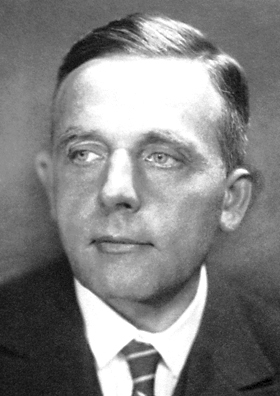 The “cancer can’t survive in an alkaline environment” claim almost always comes back to the ol’ Otto Warburg Nobel Prize thing. Warburg was a German physiologist who won the Nobel Prize in Physiology or Medicine in 1931.
But here’s the first problem: that Nobel Prize had nothing to do with alkalinity. It was awarded “for his discovery of the nature and mode of action of the respiratory enzyme” (Nobel Prize), in other words, for his work on how cells use oxygen.
Our friend Otto wasn’t studying acid and cancer to show the benefits of the alkaline diet. He was researching how cancer cells make their energy, to expand our understanding of cancer. And what he found is now called the Warburg effect: cancer cells burn sugar in an unusual way. Even when there’s plenty of oxygen around, they ferment glucose and pump out lactic acid. That’s why the area immediately around a tumour is often acidic.
Do you see where this goes wrong? The acid around a tumour is made BY the tumour. Warburg never showed that an acidic diet makes the body acidic and causes cancer, or that an alkaline diet makes the body alkaline and kills it. Somewhere along the way, alkaline proponents joined dots that just weren’t there.
This is what I call a “dotted line theory”
It sounds right on paper: cancer likes acid, so make the body alkaline and cancer can’t survive. But it can’t be substantiated when it comes to our diet and the foods we eat. And saying it hands the critics an easy target, and undermines all the good, genuine work of eating alkaline.
Why you can’t “alkalise” cancer away
Your body regulates the pH of every system with incredible precision, and it doesn’t let food change it. Your blood HAS to stay at around 7.365, and it always will, no matter what you eat. Each organ keeps its own pH too: the stomach at 2 to 4.5, the duodenum and pancreas at 7 to 7.5, the small intestine at 7.4, the large intestine at 5.5 to 7, lymphatic fluid at 7 to 7.5, the gallbladder at 6.8 to 7.5, and so on.
By eating alkaline, your body won’t then go alkaline everywhere! Simply won’t happen. If it did, you’d die: it’s called metabolic alkalosis. (More on this in the myth that you can change your pH.)
So the “alkalise the body” idea falls down twice:
- Your blood is already alkaline, and cancer still grows. People with cancer don’t have acidic blood.
- The tumour makes its own acid, right where it sits, whatever is happening in the rest of the body.
Researchers have actually tested whether you could neutralise that tumour acid directly. In mice, sodium bicarbonate (baking soda) in drinking water raised the pH around tumours and reduced the spread of cancer (Robey and colleagues, 2009). But when another team modelled what it would take to do the same in people, they found the doses needed could push blood pH to unsafe levels (Martin and colleagues, 2012).
If high-dose baking soda can’t safely do it, food certainly can’t. And here’s the important bit: that was never the point of eating alkaline in the first place.
What the alkaline diet really is
Before we go deeper, I want to make sure we’re on the same page about what the alkaline diet is (or as I prefer to call it, living an alkaline lifestyle). It’s simply eating mostly alkaline-forming foods and drinks, and minimising the strongly acid-forming ones. My alkaline diet guide goes through it in full, but in short:
- Alkaline-forming foods: vegetables, leafy greens, salads, herbs and spices, beans and lentils, nuts and seeds, low-sugar fruits, avocado, and so on. You know the drill!
- Acid-forming foods: sugar, processed foods, processed meats, alcohol, fast food, refined breads and pastries, and too much animal protein and dairy. My guide to acidic foods covers the worst offenders.
Two really important points. First, you don’t have to be perfect. I never suggest only eating alkaline foods, all the time: the goal is to be more in favour of alkaline than acid (see my post on meat on the alkaline diet, for example). And second, the goal is NOT to make the body more alkaline. It’s to give your body the nourishment it needs to maintain its pH balance effortlessly, without having to go into overdrive to do it.
Where acid DOES matter: diet-induced acidosis
So if the body always holds its pH, how can an acid-forming diet possibly matter for cancer? Let me explain.
When we constantly bombard our body with acid-forming foods and drinks, that acid has to be dealt with, meal after meal, day after day. Your blood pH dips just below its ideal 7.365, and then has to be regulated back up. To do that, your body calls in its buffers, its lungs and its kidneys, and borrows alkaline minerals from your bones.
And it is THAT journey BACK to balance that causes the damage. All manner of processes have to happen to get you there, and doing it over and over puts your body under huge stress.
Researchers call this diet-induced acidosis (or “low-grade metabolic acidosis”). Dr Ian Robey describes it well: “persistent acidogenic diets have the potential to cause small decreases in blood pH and plasma bicarbonate, but not beyond the normal physiological range” (Robey, 2012). Not enough to make you ill in the moment, but, done day after day, a real and ongoing stress on the body.
Here’s just one example of what that stress does (and this is going to get a bit sciency). When your bicarbonate, your blood’s own alkaline buffer, runs low, your kidneys upregulate an enzyme called glutaminase to help clear the acid, and this triggers more cortisol, your main stress hormone (Robey, 2012). In healthy children, a higher dietary acid load meant more cortisol (Esche and colleagues, 2016). And Robey’s review points to cortisol, insulin-like growth factor (IGF-1) and signals from fat cells as ways an acid-forming diet could help drive the growth of some cancers.
In short: acid-forming diet → kidneys upregulate glutaminase → more cortisol (and more stress on your adrenals) → a body under constant, low-grade stress. That is NOT the environment you want.
This is the “safe zone” I talk about in The Alkaline Life: keep your diet in the safe zone, and your body never has to go into that state of emergency in the first place.
And the critics get it wrong too
This is the bit that always frustrates me. You’ll often see cancer organisations and health sites call the alkaline diet “biological nonsense”, because there’s no good evidence that diet can change whole-body pH. And that’s absolutely true. It’s also completely irrelevant, because NOBODY who understands the alkaline diet is saying you can.
The purpose of eating alkaline isn’t to make the body “more alkaline”. It’s to support your body in maintaining its own alkaline balance, without the constant stress of that journey back. And on THAT, the research is very interesting indeed…
The research: acid-forming diets and cancer risk
The most acid-forming diets are linked to
Now, this is where it gets exciting, and where the alkaline diet stands on genuinely solid ground. Researchers measure how acid-forming a diet is using scores like PRAL (potential renal acid load), and they’ve now looked at it in large groups of people:
- Breast cancer: in the Sister Study, 43,570 US women were followed for an average of 7.6 years. Those with the most acid-forming diets had a 21% higher risk of breast cancer than those with the most alkaline-forming diets, a 67% higher risk of oestrogen-receptor-negative breast cancer, and 2.2 times the risk of triple-negative breast cancer (Park and colleagues, 2019).
- Colorectal cancer: at Korea’s National Cancer Center, researchers compared 923 people with colorectal cancer with 1,846 people without it. Those with the most acid-forming diets had 2.3 times the odds of colorectal cancer, and for women it was 3.1 times (Tran and colleagues, 2023). A study in Tehran found something very similar: the most acid-forming diets were linked with 4.8 times the odds of colorectal cancer, and 2.5 times the odds of pre-cancerous bowel polyps (adenomas) (Jafari Nasab and colleagues, 2020).
- Cancer overall: pooling 10 studies, people with the highest dietary acid load had a 66% higher risk of cancer, including a 32% higher risk of breast cancer and 79% higher risk of colorectal cancer (Keramati and colleagues, 2022). A second meta-analysis of 10 studies and 227,253 people found the same pattern for cancer risk, and also linked a high acid load with a worse outlook for people who already had cancer (Wang and colleagues, 2022).
- Your body’s own acid markers: in 31,590 Korean adults followed for around eight years, those with the lowest blood bicarbonate (a sign of a higher acid load) had a 60% higher rate of death from cancer than those with the highest (Park and colleagues, 2015).
I always want to be straight with you about what research does and doesn’t show, so a quick word on these studies. They’re observational: they show a strong and consistent link, rather than proving that the acid load itself causes the cancer. People who eat acid-forming diets also tend to eat less fibre and fewer vegetables, for example. But that’s exactly my point: the alkaline way of eating is built on the very foods with the strongest cancer-protective evidence of all, and the studies keep pointing in the same direction, across different countries, cancers and research teams.
For hundreds more studies, organised by topic, see my alkaline diet research library.
Eating alkaline alongside cancer treatment: early research from Japan
Now… there’s something else important to share here. There’s some fascinating early research on people who are already having cancer treatment. All three of these studies come from the same clinic in Kyoto, the Karasuma Wada Clinic, which offers what it calls “alkalization therapy” alongside standard treatment (the authors declared no conflicts of interest):
- Advanced pancreatic cancer: 36 patients who had alkalization therapy (an alkaline diet plus oral sodium bicarbonate) with their chemotherapy were compared with 89 patients at Kyoto University Hospital who had chemotherapy alone. Median survival was 15.4 months in the alkalization group, against 10.8 months (Hamaguchi and colleagues, 2020).
- Liver cancer (hepatocellular carcinoma): in 29 patients having alkalization therapy alongside standard treatment, those whose urine pH reached 7.0 or above lived significantly longer than those whose urine pH stayed lower (Isowa and colleagues, 2023).
- Lung cancer: 11 people with EGFR-mutation lung cancer were advised to follow an alkaline diet while on targeted therapy. Their urine pH rose from 6.0 to about 7.0, and the researchers concluded that an alkaline diet may enhance the treatment’s effect (Hamaguchi and colleagues, 2017).
What this does (and doesn’t) mean
These are small studies from a single clinic, and they looked back at patients’ records rather than testing the approach in a randomised trial. The liver and lung studies didn’t have a group on standard treatment alone, and the “alkalization therapy” in two of them included alkalising agents like sodium bicarbonate, given and monitored at the clinic. So they’re promising, not proof, and the researchers themselves call for bigger, properly controlled trials.
What they do suggest is that eating alkaline alongside medical treatment is worth taking seriously. Please don’t take baking soda on your own, though: a single teaspoon carries around 1,260 mg of sodium, and it can interact with medicines. Talk to your oncology team first.
7 ways to eat alkaline and lower your cancer risk
In The Alkaline Reset Cleanse, I introduce my Triple-A model: eating foods that are alkaline, anti-inflammatory and antioxidant-rich. When it comes to cancer, this is especially true, and these seven habits are where I’d start:
1. Anti-inflammatory foods every day
Getting a daily dose of natural, whole-food anti-inflammatories is a huge step forward. I recommend turmeric and ginger in particular, in your cooking, juices and smoothies (I give you lots of ideas in my turmeric user’s guide), and my anti-inflammatory foods guide has plenty more.
If you’re having chemotherapy, check with your oncology team before taking turmeric supplements: Memorial Sloan Kettering notes that turmeric can interfere with some types of chemotherapy (MSK). Turmeric in your food is a different matter.
2. Greens at every meal
Leafy greens and cruciferous vegetables are some of the most-studied cancer-protective foods there are, and yet so few people get even nearly enough. My mantra is 7 serves of greens a day, and a daily green juice or smoothie is the easiest way to get there. Try my Triple-A Juice or pH Boosting Smoothie.
And make sure cruciferous vegetables are in there: broccoli, cabbage, kale, Brussels sprouts and especially broccoli sprouts, the richest source of sulforaphane, one of the most researched plant compounds of all.
3. Plenty of antioxidant-rich foods
The antioxidant part of Triple-A is so important. Colourful vegetables and fruits like capsicum, beetroot, carrots, berries and tomatoes give your body a wide range of protective compounds. Food, not high-dose supplements, is the way to go here (and check with your team before any supplement during treatment). Here’s what antioxidants really do.
4. Alkaline minerals, from food
One of your best tools for helping your body buffer excess acid is a plentiful supply of alkaline minerals: potassium, magnesium and calcium. Leafy greens, beans and lentils, potatoes, avocados, nuts and seeds are packed with them. My guide to alkaline minerals shows you the best sources, with real numbers.
5. Healthy fats
Your body needs healthy fats every day, and omega-3s in particular. Get them from flax, chia, hemp seeds and walnuts, along with avocado and nuts. If you eat fish, wild oily fish is a great source too.
6. Proper hydration
You cannot be healthy and dehydrated. It’s just not possible. Proper hydration is one of the cheapest, easiest things you can do for your health and energy, and the benefits are noticeable FAST. (If you’re in treatment, your team may give you a specific fluid target, so follow theirs.)
7. Cut back processed meat and alcohol, and keep a healthy weight
This one has the strongest evidence of all, and it fits perfectly with eating alkaline. Research for the World Cancer Research Fund has found that processed meat and alcohol increase the risk of colorectal cancer (Vieira and colleagues, 2017), and the WCRF says greater body fatness is a cause of at least 13 cancers. Their advice? Make wholegrains, vegetables, fruit and beans a major part of your daily diet (WCRF). Sound familiar?
Want every food on one page? My free printable chart rates 400+ foods from Highly Alkaline to Highly Acidic, so it’s easy to build your meals around the protective ones. Get the free chart →
If you’ve been diagnosed
Please read this part
- Never use any diet instead of medical treatment. That includes mine. Eat this way alongside your treatment, as part of looking after yourself.
- Tell your oncology team about any supplement you take or want to take, including turmeric, antioxidants and alkalising products. Some can interfere with treatment.
- Ask for an oncology dietitian if eating is hard during treatment. Getting enough food in matters most when you’re unwell, and they can help you do it.
- Be kind to yourself. You don’t have to be perfect. Every alkaline meal is a step in the right direction.
So many cancers are preventable
In the US, heart disease and cancer are the two leading causes of death, together accounting for around 4 in 10 deaths each year (CDC). Cancer and heart disease are among the leading causes of death here in Australia, and in the UK, New Zealand and Canada too.
And yet so much of it is within our control. The American Cancer Society estimates that 4 in 10 cancer cases, and around half of all cancer deaths, in US adults aged 30 and over are linked to things we can change: smoking, excess weight, alcohol, physical inactivity, diet and infections (American Cancer Society, 2024).
This isn’t about pointing the finger or judging anyone. It’s to say that we HAVE got a say. When I talk to people about cancer, the overwhelming emotion I see is helplessness: people feel like it’s something that just happens to them. And of course, sometimes it is. But you CAN reduce your risk, significantly, and you can protect yourself and your family.
So I want you to feel empowered. Start with the food chart, get comfortable with the alkaline diet, and work through my 7 most alkaline anti-cancer foods, with recipes for each.
I hope this makes sense and helps!
Ross
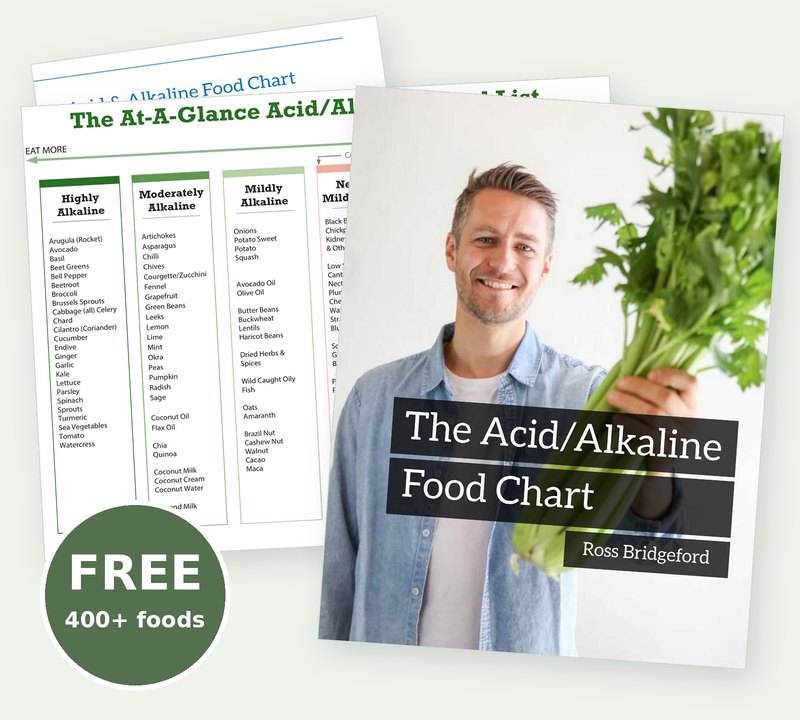
Free download
The full acid/alkaline chart, on one page
My free chart rates 400+ foods from Highly Alkaline to Highly Acidic, with a one-page version for your fridge. It’s the simplest way to start eating more of the protective foods, every day.
Alkaline diet and cancer FAQ
Can cancer survive in an alkaline body?
Yes. Your blood is always slightly alkaline, at around pH 7.365, and cancer still grows in the body, because tumours create their own acidic surroundings. So the idea of making your body alkaline to kill cancer doesn’t hold up. What the research does show is that diets with a high acid load are linked with a higher risk of several cancers, which is why eating alkaline still matters.
Did Otto Warburg prove cancer can’t survive in an alkaline environment?
No. Warburg’s 1931 Nobel Prize was for his discovery of the respiratory enzyme, how cells use oxygen. His cancer work showed that cancer cells ferment sugar and produce lactic acid even when oxygen is available, so the acid around a tumour is made by the tumour. He never showed that an alkaline diet makes the body alkaline or kills cancer.
Does an alkaline diet prevent cancer?
No diet can guarantee you won’t get cancer, but large studies link diets with a high acid load to a higher risk: 21% higher for breast cancer in 43,570 US women, more than double the odds of colorectal cancer in Korea, and a 66% higher risk of cancer overall in a meta-analysis. The alkaline diet is built on vegetables, fruit, beans and whole foods, the foods with the strongest cancer-protective evidence.
Should I eat alkaline during cancer treatment?
Eating plenty of vegetables, beans and whole foods alongside treatment is a great idea, and early research from Japan suggests alkaline eating may support some treatments. But never use any diet instead of medical treatment, tell your oncology team about any supplement, and ask for an oncology dietitian if eating is hard during treatment.
Is baking soda a cancer treatment?
No. Sodium bicarbonate reduced the spread of cancer in mice, but modelling suggests the doses people would need could push blood pH to unsafe levels. A teaspoon also carries around 1,260 mg of sodium. Some clinics prescribe alkalising agents under medical supervision, but please don’t take baking soda on your own; talk to your oncology team.
Does alkaline water help with cancer?
There’s no evidence that alkaline water prevents or treats cancer. Like food, it can’t change your blood pH or the acid around a tumour. Staying well hydrated is important, but it’s what you eat, day after day, that does the heavy lifting.
Which foods are most protective against cancer?
Leafy greens and cruciferous vegetables like broccoli, kale, cabbage and broccoli sprouts, plus colourful vegetables and fruit, beans and lentils, wholegrains, nuts and seeds, and anti-inflammatory spices like turmeric and ginger. The World Cancer Research Fund recommends making wholegrains, vegetables, fruit and beans a major part of your diet, and cutting back on processed meat and alcohol.
Can an alkaline diet cure cancer?
No diet can cure cancer, and anyone who tells you otherwise is selling something. Eating alkaline is a powerful way to lower your risk and to support your health, but if you’ve been diagnosed, it belongs alongside the treatment your medical team recommends, never instead of it.
Further reading
- The 7 most alkaline anti-cancer foods
- The alkaline diet: what it is, how it works and an easy plan
- The list of alkaline foods
- Sulforaphane: benefits, best foods and how to get more
- My alkaline diet research library

Ross has taught and coached realistic, sustainable alkaline eating since 2004, working with thousands of clients around the world. He’s the author of The Alkaline Reset Cleanse and The Alkaline Life (Hay House). Ross is a health educator, not a doctor or dietitian. This guide is not a cancer treatment: if you have cancer or are worried about it, please work with your own medical team.
Sources
- Park YM and colleagues (2019). Higher diet-dependent acid load is associated with risk of breast cancer: findings from the Sister Study. Int J Cancer
- Tran TT and colleagues (2023). The association of diet-dependent acid load with colorectal cancer risk: a case-control study in Korea. Br J Nutr
- Jafari Nasab S and colleagues (2020). Diet-dependent acid load and the risk of colorectal cancer and adenoma: a case-control study. Public Health Nutr
- Keramati M and colleagues (2022). Association of high dietary acid load with the risk of cancer: a systematic review and meta-analysis of observational studies. Front Nutr
- Wang R and colleagues (2022). Association between dietary acid load and cancer risk and prognosis: an updated systematic review and meta-analysis of observational studies. Front Nutr
- Park M and colleagues (2015). Association between the markers of metabolic acid load and higher all-cause and cardiovascular mortality in a general population with preserved renal function. Hypertens Res
- Robey IF (2012). Examining the relationship between diet-induced acidosis and cancer. Nutr Metab
- Esche J and colleagues (2016). Higher diet-dependent renal acid load associates with higher glucocorticoid secretion and potentially bioactive free glucocorticoids in healthy children. Kidney Int
- Hamaguchi R and colleagues (2020). Effects of alkalization therapy on chemotherapy outcomes in advanced pancreatic cancer: a retrospective case-control study. In Vivo
- Isowa M and colleagues (2023). Effects of alkalization therapy on hepatocellular carcinoma: a retrospective study. Front Oncol
- Hamaguchi R and colleagues (2017). Effects of an alkaline diet on EGFR-TKI therapy in EGFR mutation-positive NSCLC. Anticancer Res
- Robey IF and colleagues (2009). Bicarbonate increases tumor pH and inhibits spontaneous metastases. Cancer Res
- Martin NK and colleagues (2012). Predicting the safety and efficacy of buffer therapy to raise tumour pHe: an integrative modelling study. Br J Cancer
- Vieira AR and colleagues (2017). Foods and beverages and colorectal cancer risk: a systematic review and meta-analysis of cohort studies, an update of the evidence of the WCRF-AICR Continuous Update Project. Ann Oncol
- World Cancer Research Fund International (2025). Cancer prevention policy blueprint
- The Nobel Prize in Physiology or Medicine 1931: Otto Warburg
- Memorial Sloan Kettering Cancer Center: The truth about turmeric and cancer
- Centers for Disease Control and Prevention: Leading causes of death (FastStats)
- American Cancer Society (2024). 40% of cancer cases and almost half of all deaths in the U.S. linked to modifiable risk factors

Hi l have just been diagnosed with bladder cancer. Going through menopause and with high blood pressure plus lots of stress my body became out of whack. Where should l start to heal/reverse my body. Also should I cut out meat?