


The FIFTEEN Most Alkaline Foods
The FIFTEEN Most Alkaline Foods to Add-In Daily

In our journey to ‘get alkaline’ knowing which are the most alkaline foods is essential. By focusing on these alkaline foods that are most dense with nutrients means you can get the biggest amount of alkalinity for your effort!
In an ideal world you would eat all of these alkaline foods every day, but that’s utterly unrealistic. Instead, I want you to see this as a pick and mix list that you can dip into daily, trying to add 2-3 or more when you can.
Remember – you don’t ever have to be perfect. Consistency is FAR better than aiming for perfection. So if you can do 2-3 good things consistently, you’re going to see results REALLY quickly (and they’ll be sustainable too).
So what are the most alkaline foods?
It is a question that comes up often. It is probably the most asked question in my 16 years of teaching the alkaline diet. So many of you who have seen my super comprehensive Acid / Alkaline Foods Chart say ‘thanks for the big list, but…which are the most alkaline foods?”
So to answer that question, here is a full, in-depth analysis to show you what they are, how to cook with them, and what their evidence-based benefits are.
What Are the Most Alkaline Foods?
Before we jump right in, it’s important to know that if you’re following an alkaline diet, then the most alkaline foods as determined by the quantity and spectrum of nutrients that make them alkaline-forming are:
- Spinach
- Kale
- Cucumber
- Broccoli
- Avocado
- Celery
- Capsicum/Bell Pepper
- Watercress
- Coconut Oil
- Flax Seeds/Oil
- Garlic
- Beetroot
- Turmeric
- Ginger
- Chia Seeds
For each of these fifteen most high alkaline foods you will find below an intro, nutritional content per 1 cup, a number of free alkaline recipes that I’ve created, and also a number of research papers that have been published to validate the benefits stated.
Of course, this list could go on and on into the hundreds of foods – but I am all about getting the maximum benefit for the minimum effort – so if you just focus on these fifteen foods you’ll be bursting with energy and vitality.
The Most Alkaline Foods #1. Spinach
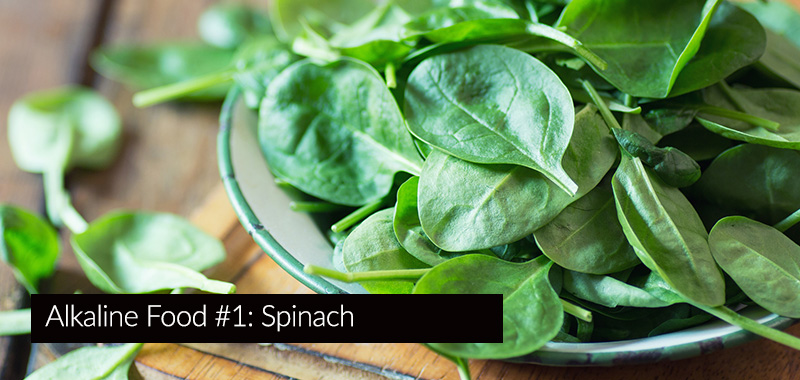
ALL leafy greens should be eaten in abundance, as they are literally the most alkaline foods with the highest micronutrient content, and a high pH level, but spinach is my absolute favorite. It is easy to buy, easy to use in recipes and salads, and is delicious. Baby spinach or fully grown spinach are nutritional powerhouses and are incredibly alkaline.
As with all green foods, spinach is rich in chlorophyll (see more about the health benefits of chlorophyll here), a potent alkaliser and blood builder.
It is also super high in vitamin K, vitamin A, manganese, folate, magnesium, iron, vitamin c, vitamin b2, calcium, potassium, vitamin e, and dietary fiber…need I go on?
I doubt there is a more all-around healthy food on earth and I highly encourage you to eat spinach throughout the day, every day. Spinach is deservedly at the top of the most alkaline foods list.
Nutrients per 1 Cup
Vitamin K – 1110% RDA
Vitamin A – 337.3% RDA
Manganese – 84% RDA
Folate – 65.7% RDA
Magnesium – 38% RDA
Iron – 35% RDA
Vitamin C – 31% RDA
Vitamin B2 – 27% RDA
Calcium – 25% RDA
Potassium – 23% RDA
Vitamin E – 21% RDA
Fiber – 19% RDA
Ross’ Alkaline Recipes Containing Spinach
Warm Red Pepper & Spinach Salad
Spinach, Garlic & Tofu Burgers
Alkaline Avo Power Smoothie
Alkaline Raw Soup
Research on Spinach
- Spinach as a powerful antioxidant: Manach C, Scalbert A, Morand C, Rémésy C, Jiménez L. Polyphenols: food sources and bioavailability. Am J Clin Nutr. 2004 May;79(5):727-47. 2004. PMID:15113710.
- Spinach intake and ovarian cancer reduction: Gates MA, Tworoger SS, Hecht JL, De Vivo I, Rosner B, Hankinson SE. A prospective study of dietary flavonoid intake and incidence of epithelial ovarian cancer. Int J Cancer. 2007 Apr 30; [Epub ahead of print] 2007. PMID:17471564.
- (Alkaline Foods) Spinach intake and breast cancer: M P Longnecker, P A Newcomb, R Mittendorf, E R Greenberg and W C Willett. Intake of carrots, spinach, and supplements containing vitamin A in relation to risk of breast cancer. 1997. American Association for Cancer Research.
- Spinach and reversing motor and neuronal aging: James A. Joseph, Barbara Shukitt-Hale, Natalia A. Denisova,Donna Bielinski, Antonio Martin, John J. McEwen, and Paula C. Bickford. Reversals of Age-Related Declines in Neuronal Signal Transduction, Cognitive, and Motor Behavioural Deficits with Blueberry, Spinach, or Strawberry Dietary Supplementation. 1999. The Journal of Neuroscience.
The Most Alkaline Foods #2. Kale
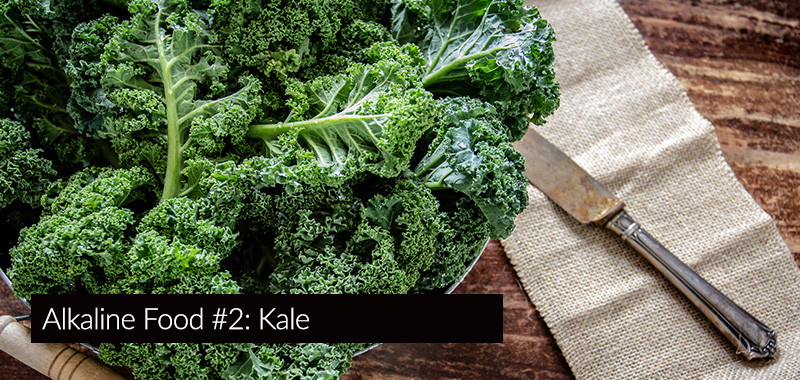
Long known in the alkaline circles as one of the most alkaline foods, kale is another leafy green beauty that is widely known for its cancer-fighting, cholesterol-lowering, antioxidant-rich, detoxifying goodness.
Less popular than spinach, but only because it has a history of being cooked poorly (like cabbage) – when done right it is absolutely delicious (see recipes below, you’ll thank me).
If you eat kale 2-3 times per week you’ll know it. Like spinach, it is massively high in vitamin k, vitamin a, and vitamin c and being leafy green it also has a huge chlorophyll content.
The reason it is so powerful against cancer fight is that kale contains at least four glucosinolates. I don’t want to lose you here by using words like glucosinolates – all you need to know is that as soon as you eat and digest kale, these glucosinolates are really easily converted by the body into cancer-fighting compounds.
Also quite amazing for lowering cholesterol, it should be noted that steamed kale is more effective for cholesterol-lowering than raw.
Nutrients Per 1 Cup:
Vitamin K: 1327% RDA
Vitamin A: 354% RDA
Vitamin C: 88.8% RDA
Manganese: 27% RDA
Fiber: 12% RDA
Calcium: 11% RDA
Magnesium: 11% RDA
Iron: 9% RDA
Omgega 3: 7% RDA
Ross’ Alkaline Recipes Containing Kale:
Chickpea & Kale Rolls with Tomato Salsa
Kale & Chickpea Mash
Research on Kale as an Alkaline Forming Food:
- Ambrosone CB, Tang L. Cruciferous vegetable intake and cancer prevention: role of nutrigenetics. Cancer Prev Res (Phila Pa). 2009 Apr;2(4):298-300. 2009.
- Angeloni C, Leoncini E, Malaguti M, et al. Modulation of phase II enzymes by sulforaphane: implications for its cardioprotective potential. J Agric Food Chem. 2009 Jun 24;57(12):5615-22. 2009.
- Bhattacharya A, Tang L, Li Y, et al. Inhibition of bladder cancer development by allyl isothiocyanate. Carcinogenesis. 2010 Feb;31(2):281-6. 2010
- Higdon JV, Delage B, Williams DE, et al. Cruciferous Vegetables and Human Cancer Risk: Epidemiologic Evidence and Mechanistic Basis. Pharmacol Res. 2007 March; 55(3): 224-236. 2007.
- Zhang Y. Allyl isothiocyanate as cancer chemopreventive phytochemical. (Alkaline Foods) Mol Nutr Food Res. 2010 Jan;54(1):127-35. 2010.
The Most Alkaline Foods #3. Cucumber
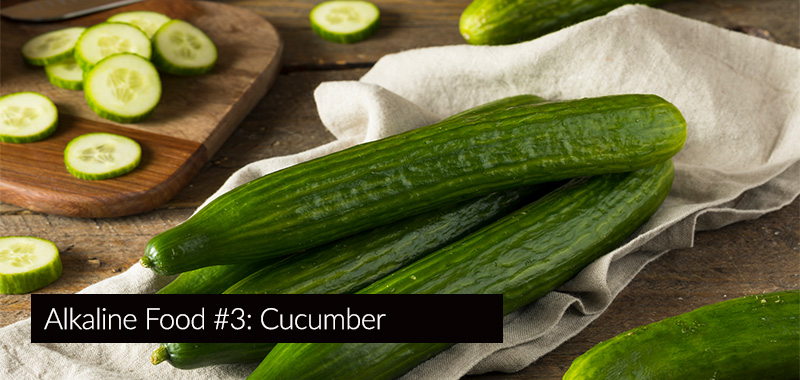
One of the highest scoring alkaline foods, the beauty of cucumber is its water content – 95%. That is phenomenal and you won’t find that anywhere else. Super alkalizing. It’s the daddy of water content. This of course makes it an incredibly hydrating food to consume, that ALSO contains superb amounts of antioxidants, including the super-important lignans. These highly beneficial polyphenols have more commonly been associated with cruciferous vegetables, but their content in other veggies such as cucumbers is gaining more and more attention.
Cucumbers contain a right load of lariciresinol, pinoresinol, and secoisolariciresinol (don’t try to pronounce), three lignans that have a huge and very strong history of research in connection with reduced risk of cardiovascular disease as well as several cancer types, including breast, uterine, ovarian, and prostate cancers.
The best thing about cucumbers is that they provide the base for practically every alkaline soup, smoothie, and juice – giving you a very alkaline, very nutritious base that also tastes great.
In terms of the actual nutrient RDA per serve, cucumbers contain fair amounts of vitamins K and C and slightly less of vitamin A and the B vitamins. Cucumbers also contain the following alkaline minerals: calcium, iron, phosphorus, potassium, magnesium, selenium, copper, manganese, iron, and zinc. Remember, one of the biggest determinants as to whether foods are high alkaline foods is the alkaline mineral content.
Nutrients per 1 Cup (RDA)
Vitamin K: 23%
Molybdenum: 8%
Vitamin C: 6%
Potassium: 5%
Manganese: 5%
Magnesium: 4%
Ross’ Alkaline Foods Recipes Containing Cucumber:
Alkaline Cucumber & Watercress Soup
Research on Cucumber:
- Kumar D, Kumar S, Singh J, et al. Free Radical Scavenging and Analgesic Activities of Cucumis sativus L. Fruit Extract. J Young Pharm. 2010 Oct;2(4):365-8. 2010.
- Milder IEJ, Arts ICW, van de Putte B et al. Lignan contents of Dutch plant foods: a database including lariciresinol, pinoresinol, secoisolariciresinol and matairesinol. Br J Nutr 2005, 93:393-402. 2005.
- Rios JL, Recio MC, Escandell JM, et al. Inhibition of transcription factors by plant-derived compounds and their implications in inflammation and cancer. Curr Pharm Des. 2009;15(11):1212-37. Review. 2009.
- Tang J, Meng X, Liu H et al. Antimicrobial activity of sphingolipids isolated from the stems of cucumber (Cucumis sativus L.). Molecules. 2010 Dec 15;15(12):9288-97. 2010.
The Most Alkaline Foods #4. Broccoli
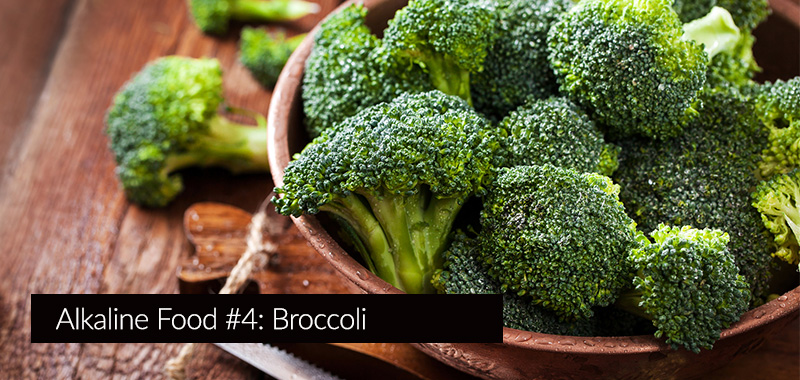
Broccoli is just a must. When we’re talking high alkaline foods, and greens, it’s easy to get caught up on just leafy greens. But if you are serious about living with health, energy, and vitality you simply have to eat broccoli, if not on a daily basis, then at least 4 times per week. Seriously.
Broccoli has been proven over and over and over again to be incredibly powerful in inhibiting cancers, supporting the digestive system, the cardiovascular system, the detoxification processes in the body, and also supporting the skin, metabolism, immune system, being an anti-inflammatory and providing ample antioxidants.
Sound good?
Eaten steamed or raw it’s a hugely alkaline, hugely nutritious food. Please, please, please eat lots and lots of it. Put it in salads, juices, smoothies, soups…steam it with other veggies – you can even roast it if you’re having Sunday lunch.
Don’t let a meal go past without thinking to yourself “how could I get some broccoli in here?”
Nutrients Per 1 Cup (as an RDA):
Vitamin C: 135%
Vitamin K: 115%
Folate: 16%
Vitamin A: 14%
Manganese: 10%
Dietary Fiber: 10%
Potassium: 8%
VItamin B6: 8%
Vitamin B2: 7%
Molybdenum: 6%
Phosphorus: 6%
Vitamin B5: 5%
Protein: 5%
Magnesium: 5%
Calcium: 4%
Selenium: 4%
Vitamin E: 4%
Ross’ Alkaline Foods Recipes Containing Broccoli:
Broccoli & Vegetable Coconut Curry
Sweet Chunky Alkaline Smoothie
Research on Broccoli:
- Broccoli and Cancer Prevention: John W. Finley, Clement Ip, Donald J. Lisk, Cindy D. Davis, Korry J. Hintze, and Phil D. Whanger. Cancer-Protective Properties of High-Selenium Broccoli. 2001. American Chemical Society
- Broccoli and Cardiovascular Disease: Lingyun Wu, M. Hossein Noyan Ashraf, Marina Facci, Rui Wang,Phyllis G. Paterson, Alison Ferrie, and Bernhard H. J. Juurlink. 2004. Dietary approach to attenuate oxidative stress, hypertension, and inflammation in the cardiovascular system. The Proceedings of the National Academy of Sciences
- Broccoli and Cancer Prevention: Ambrosone CB, Tang L. Cruciferous vegetable intake and cancer prevention: role of nutrigenetics. Cancer Prev Res (Phila Pa). 2009 Apr;2(4):298-300. 2009.
- Broccoli and Cancer Prevention: Clarke JD, Dashwood RH, Ho E. Multi-targeted prevention of cancer by sulforaphane. Cancer Lett. 2008 Oct
- Chemo-protection and Broccoli: Konsue N, Ioannides C. Modulation of carcinogen-metabolising cytochromes P450 in human liver by the chemopreventive phytochemical phenethyl isothiocyanate, a constituent of alkaline foods and cruciferous vegetables. Toxicology. 2010 Feb 9;268(3):184-90. 2010.
The Most Alkaline Foods #5. Avocado
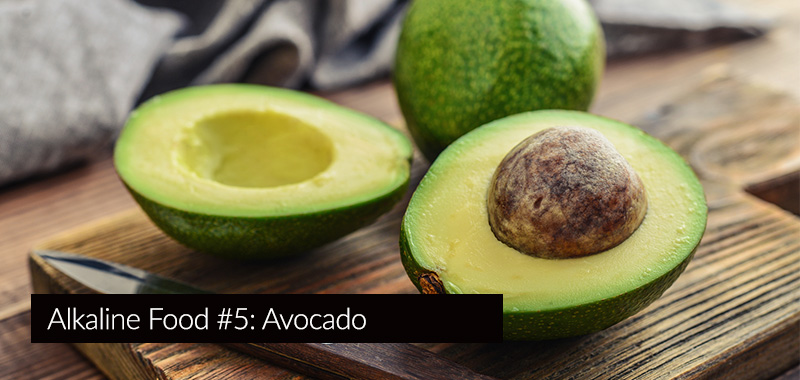
I eat a LOT of avocados. Not a salad, smoothie, or soup goes by without me adding at least 1/2 an avocado per person. I probably eat at least five-seven per week, myself. A highly alkaline food for several reasons.
Now, I know a lot of people give avocado a bad rep because it is a high-fat food (85% of its calories come from fats) – but this is totally insane. These are good fats that will not make you gain weight. If anything, due to the high content of oleic acid (making it an omega 9 fat and very similar to olive oil), it can lower total cholesterol levels and raise levels of high-density lipoproteins (HDLs) while lowering low-density lipoproteins (LDLs), also known as the “bad” cholesterol. Oleic acid also slows the development of heart disease and promotes the production of antioxidants. This is an essential food for heart health.
These beneficial omega oils also help speed the metabolism, actually leading to weight loss rather than gain.
So now we’re over the fat issue, avocado also contains a wide range of other nutrients that have serious anti-inflammatory, heart health, cardiovascular health, anti-cancer, and blood sugar benefits.
Containing key antioxidants such as alpha-carotene, beta-carotene, lutein, selenium, and more – it is a powerful, alkaline, nutrient-dense superfood.
Nutrients Per 1 Cup (as an RDA):
Dietary Fiber: 40%
Vitamin K: 38%
Folate: 30%
Vitamin C: 24%
Vitamin B5: 20%
Potassium: 20%
Vitamin B6: 19%
Ross’ Alkaline Foods Recipes Containing Avocado:
Research on Avocado:
- Avocado & Adult Health: Fulgoni V, Dreher M, Davenport A. Avocado consumption associated with better nutrient intake and better health indices in U.S. adults (19+ years): NHANES 2001-2006. Abstract #8514. Experimental Biology, Anaheim, CA. April 28, 2010. 2010.
- Avocado & Cancer: Ding H, Han C, Guo D et al. Selective induction of apoptosis of human oral cancer cell lines by avocado extracts via a ROS-mediated mechanism. Nutr Cancer. 2009;61(3):348-56. 2009.
- Avocado & Cancer: Ding H, Chin YW, Kinghorn AD et al. Chemopreventive characteristics of avocado fruit. Semin Cancer Biol. 2007 May 17;
- Avocado & Inflammation: Rosenblat G, Meretski S, Segal J et al. Polyhydroxylated fatty alcohols derived from avocado suppress inflammatory response and provide non-sunscreen protection against UV-induced damage in skin cells. Arch Dermatol Res. 2010 Oct 27. [Epub ahead of print]. 2010.
The Most Alkaline Foods #6. Celery
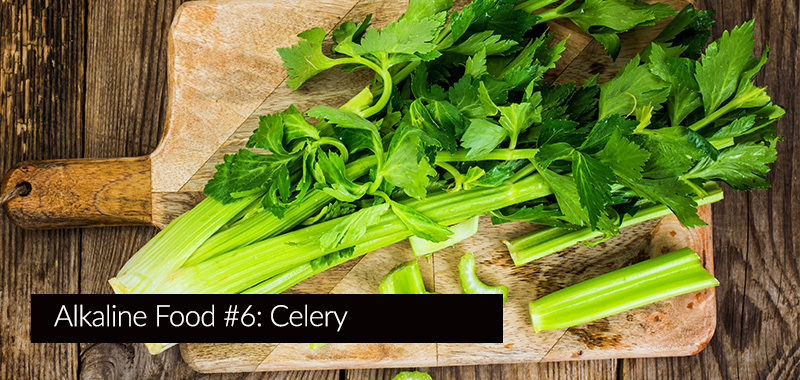
Celery, like cucumber, is a favorite because it’s alkaline AND really high water content, so is used very frequently as a base in juices and soups (not so many smoothies as you have to juice it first…and then you have double the washing up).
One of the celery’s big benefits is its vitamin C level, which has the well-known benefits – but two of its lesser-known nutrients are phthalides which have been shown to lower LDL cholesterol and coumarins which have been shown to inhibit several cancers.
The beauty of vitamin C-rich foods is that they help with the most common and most challenging health concerns – they support the immune system, inflammation (so helps with arthritis, osteoporosis, asthma, etc), and vitamin C also helps significantly with cardiovascular health.
If you are on a weight loss journey, you’ll also be happy to hear that this alkaline staple contains plenty of potassium and sodium and so is a diuretic – meaning it helps rid the body of excess fluids.
Nutrients Per 1 Cup (as an RDA):
Vitamin K: 37%
Folate: 9%
Vitamin A: 9%
Potassium: 8%
Molybdenum: 7%
Dietary Fiber: 6%
Vitamin C: 5%
Manganese: 5%
Calcium: 4%
Vitamin B2: 3.5%
Vitamin B6: 4%
Magnesium: 3%
Vitamin B5: 3%
Ross’ Alkaline Foods Recipes Containing Celery:
Research on Celery:
- Celery and Hypertension: Kurl S, Tuomainen TP, Laukkanen JA et al. Plasma vitamin C modifies the association between hypertension and risk of stroke. Stroke 2002 Jun;33(6):1568-73 2002.
- Celery & Cholesterol: Tsi D, Tan BK. The mechanism underlying the hypocholesterolaemic activity of aqueous celery extract, its butanol and aqueous fractions in genetically hypercholesterolaemic RICO rats. Life Sci 2000 Jan 14;66(8):755-67 2000.
The Most Alkaline Foods #7. Capsicum / Bell Pepper / Pepper
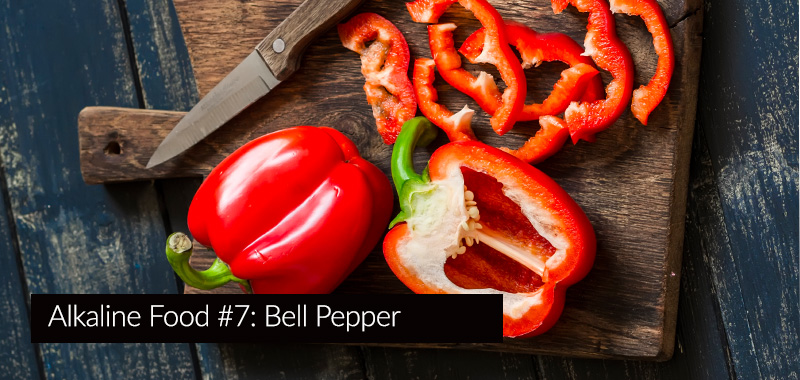
The antioxidant superpower, bell pepper is one of my all-time favorite alkaline foods because it is sweet, crunchy, and refreshingly delicious. You can use it in almost any meal raw, grilled, fried, roasted and it is always a winner.
If you’re missing sweetness when you first start to ‘go alkaline’ then bell pepper can be a lovely in-between for you (and be sure to check my guide to the most alkaline fruits here)
Here are just SOME of the antioxidants bell pepper contains:
• Flavonoids
– luteolin
– quercetin
– hesperidin
• Carotenoids
– alpha-carotene
– beta-carotene
– cryptoxanthin
– lutein
– zeaxanthin
• Hydroxycinnamic Acids
– ferulic acid
– cinnamic acid
Of these, the carotenoids are the most interesting antioxidants in alkaline foods. Impressively beneficial to our health carotenoids are highly researched and get a lot of attention in the health field…and bell peppers contain over 30 different members of the carotenoid nutrient family. The only other food that is close to this is tomato…and all other foods are also-rans.
Bell peppers have shown up in research relating to decreasing the risk of cardiovascular disease, type II diabetes, macular degeneration, cancer, inflammation and more.
Alongside these lesser-known or more complex-named antioxidants, and of all the most alkaline foods – bell pepper is one of, if not the best food source of the more common antioxidants: vitamin C, vitamin A, and vitamin E.
In fact, bell peppers contain twice as much vitamin C as oranges.
Nutrients Per 1 Cup (as an RDA):
Vitamin C: 195.8%
Vitamin A: 58%
Vitamin B6: 14%
Folate: 11%
Dietary Fiber: 7%
Vitamin E: 7%
Molybdenum: 6%
Vitamin K: 6%
Potassium: 6%
Manganese: 5%
Vitamin B2: 5%
Vitamin B3: 5%
Vitamin B1: 3%
Vitamin B5: 3%
Magnesium: 2%
Ross’ Alkaline Foods Recipes Containing Bell Pepper:
Research on Bell Pepper:
- Pepper and Dementia: Devore EE, Grodstein F, van Rooij FJA et al. Dietary antioxidants and long-term risk of dementia. Arch Neurol. 2010 July; 67(7): 819-825. 2010.
- Peppers and Antioxidants: O’Sullivan L, Jiwan MA, Daly T, O’Brien NM et al. Bioaccessibility, uptake, and transport of carotenoids from peppers (Capsicum spp.) using the coupled in vitro digestion and human intestinal Caco-2 cell model. J Agric Food Chem. 2010 May 12;58(9):5374-9. 2010.
- Pepper and Cancer: Ambrosini GL, de Klerk NH, Fritschi L et al. Fruit, vegetable, vitamin A intakes, and prostate cancer risk. Prostate Cancer Prostatic Dis. 2008;11(1):61-6. 2008.
Most Alkaline Foods #8: Watercress
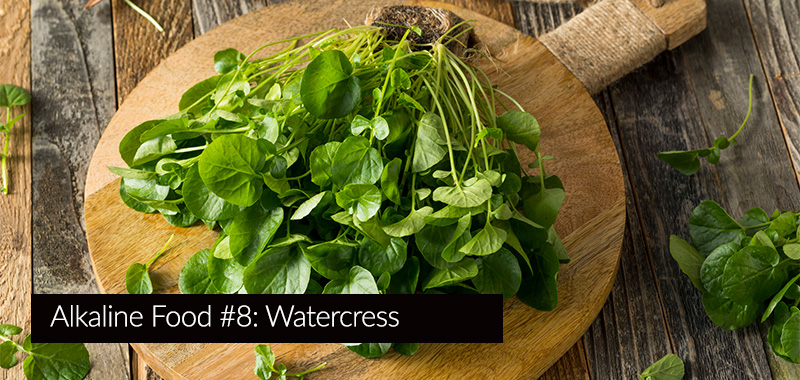
Watercress is a cruciferous vegetable that has long been used for medicinal purposes. It’s related to nutrition powerhouses like broccoli, kale, mustard greens, etc.
Watercress is one of the most alkaline foods out there. Not only does it contain loads of vitamins and minerals (including calcium, iron, magnesium), it also contains protein and amino acids that are vital for cell renewal and pH balance.
Watercress also contains sulforaphane which is one of the most important nutrients on Earth, supporting heart health, lowering cancer risk, and helps balance insulin levels.
Watercress is a unique way to add a little peppery kick of flavor and alkalinity to your day. Add it to salads, wraps, sandwiches or pretty much any dish you can imagine.
Nutrients per one cup:
Vitamin K – 106%
Vitamin A – 28%
Vitamin C – 24%
Calcium – 17%
Iron – 11%
Magnesium – 11%
Manganese – 14%
Potassium – 7%
Ross’ Recipes Containing Watercress:
Rocket (Arugula), Watercress & Mint Salad
Research on Watercress:
Zhifeng Li, Hui Wen Lee, Xu Liang, Dong Liang, Qi Wang, Dejian Huang, Choon Nam Ong; Profiling of Phenolic Compounds and Antioxidant Activity of 12 Cruciferous Vegetables; Molecules 2018 May 10;23(5):1139. doi: 10.3390/molecules23051139.
Sônia M de Figueiredo, Sidney A V Filho, José A Nogueira-Machado, Rachel B Caligiorne; The anti-oxidant properties of isothiocyanates: a review; Recent Pat Endocr Metab Immune Drug Discov 2013 Sep;7(3):213-25. doi: 10.2174/18722148113079990011.
Lucília P Pereira, Marlene Duarte, et al; Targeting Colorectal Cancer Proliferation, Stemness and Metastatic Potential Using Brassicaceae Extracts Enriched in Isothiocyanates: A 3D Cell Model-Based Study; Nutrients 2017 Apr 10;9(4):368. doi: 10.3390/nu9040368.
Alkaline Foods #9: Coconut Oil
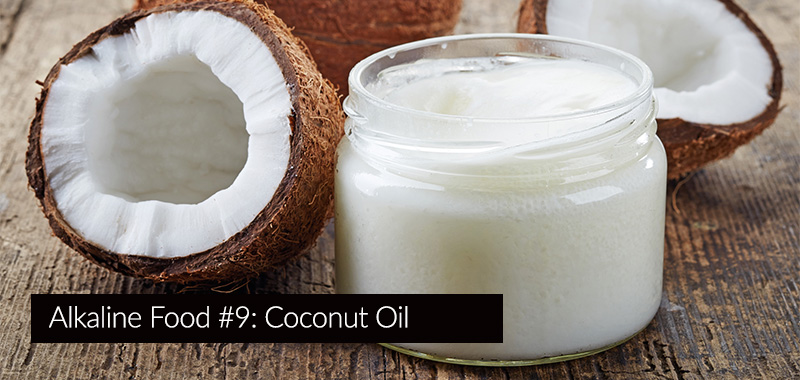
Coconut oil is a healthy fat that supports immunity, heart health, weight loss, and nutrient absorption. It contains medium-chain fatty acids which are easily metabolized into energy rather than being stored as fat. There are a lot of people out there still aiming to add more high alkaline foods to their diet, but avoiding healthy fats. Please welcome in the fats! They are highly alkaline and so necessary!
Long-derided as saturated fat, research has, for decades now, destroyed the saturated fat myths around heart health, weight gain, and so on. The evidence is clear that saturated fat, particularly from coconut, lowers LDL cholesterol while raising beneficial HDL cholesterol. It also supports a healthy weight by balancing the gut, helping regulate the ‘weight loss’ hormones leptin, ghrelin, and adiponectin, and so much more.
The lauric acid in coconut oil is metabolized into monolaurin in the body, which has remarkable germ-fighting power. Plus the caprylic acid is proven to destroy candida.
In addition to its immense benefits for general health, coconut oil also helps raise the pH level of your body by providing alkaline minerals like potassium, magnesium, and calcium.
Coconut oil is great for cooking at moderate temperatures because it does not oxidize easily when exposed to heat. Coconut cream can be used by those who suffer from dairy intolerances or allergies.
Nutrients per tablespoon:
Manganese – 14%
Iron – 3%
Vitamin E – 6%
Calcium – 1%
Magnesium – 0.8%
Zinc – 1%
Ross’ Recipes Containing Coconut Oil:
Well…practically all of them! Take your pick!
Research on coconut oil:
D M Dreon, H A Fernstrom, H Campos, P Blanche, P T Williams, and R M Krauss; Change in dietary saturated fat intake is correlated with change in mass of large low-density-lipoprotein particles in men. Am J Clin Nutr May 1998 vol. 67 no. 5 828-836
Patty W Siri-Tarino, Qi Sun, Frank B Hu, and Ronald M Krauss; Meta-analysis of prospective cohort studies evaluating the association of saturated fat with cardiovascular disease; January 13, 2010, Am J Clin Nutr
Rajiv Chowdhury, MD, PhD; Samantha Warnakula et al; Association of Dietary, Circulating, and Supplement Fatty Acids With Coronary Risk: A Systematic Review and Meta-analysis; Annals of Internal Medicine, 18 March 2014, Vol 160, No. 6
Alkaline Foods #10 – Flax Seeds & Flax Oil
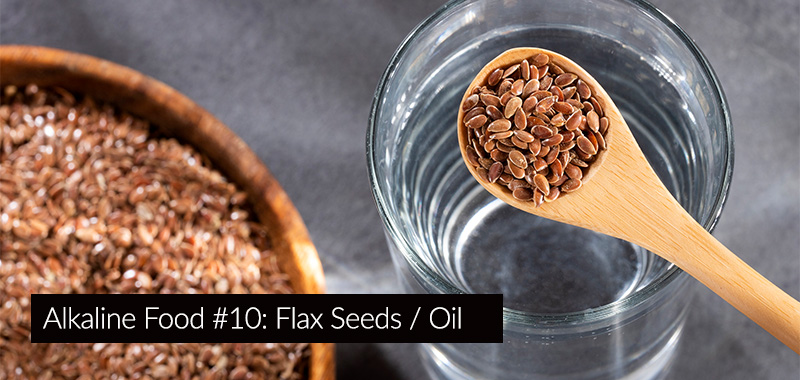
Flax seeds are an incredible alkaline food because they are very high in lignans which is a phytonutrient that helps prevent many hormone-dependent cancers including breast, ovarian, uterine, and prostate cancer.
Flaxseed oil contains the highest level of omega 3 fatty acids per gram than any other source. The great thing about flax seed oil is that it’s very high in alpha-linolenic acid (ALA) which the body needs to make the omega 3s EPA and DHA.
To live a vibrant, alkaline life, full of energy, you absolutely HAVE to get enough omega 3 each day, and flax is one of the very best sources.
Nutrients in 2 tbsp:
omega-3 fats: 133%
copper: 19%
vitamin B1: 19%
manganese: 15%
fiber: 14%
phosphorus: 13%
magnesium: 13%
selenium: 6%
Ross’ Recipes Containing Flax Seeds or Oil:
Ross’ Ultimate Gluten-Free Bread
Creamy Pesto Pine Nut Extravaganza
Research on Flax Benefits:
Julie K Mason, Lilian U Thompson; Flaxseed and its lignan and oil components: can they play a role in reducing the risk of and improving the treatment of breast cancer; 2014 Jun;39(6):663-78
Elizabeth C Lowcock, Michelle Cotterchio, Beatrice A Boucher; Consumption of flaxseed, a rich source of lignans, is associated with reduced breast cancer risk; Cancer Causes Control;. 2013 Apr;24(4):813-6. doi: 10.1007/s10552-013-0155-7. Epub 2013 Jan 25.
Uliyar Vitaldas Mani, Indirani Mani, Mamta Biswas, Smriti Nanda Kumar; An open-label study on the effect of flax seed powder (Linum usitatissimum) supplementation in the management of diabetes mellitus; J Diet Suppl 2011 Sep;8(3):257-65
Anagha Patade; Flaxseed reduces total and LDL cholesterol concentrations in Native American postmenopausal women; J Womens Health (Larchmt) 2008 Apr;17(3):355-66.
Alkaline Foods #11 – Garlic
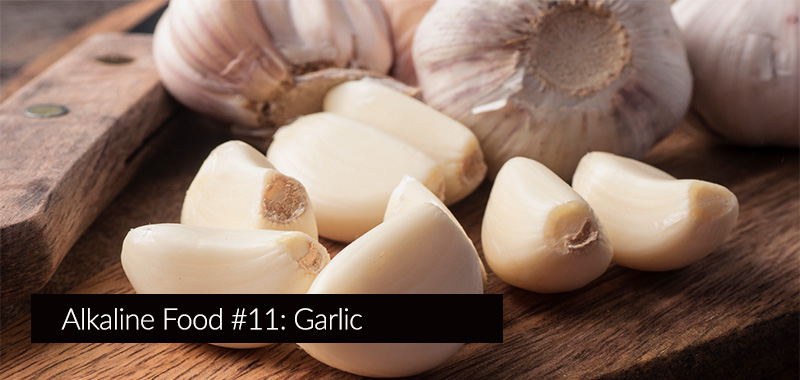
11th on the Most Alkaline Foods list, garlic is known as nature’s antibiotic, anti-fungal and antiviral herb. It has been used for centuries to treat everything from the common cold, to diabetes and even leprosy!
In one study, garlic was shown to prevent breast cancer in rats exposed to a carcinogen. In another, it reduced prostate tumor growth by 50% and increased survival time by 56%. It also helps lower blood pressure naturally, without side effects.
Garlic is also a very powerful liver tonic and helps the body get rid of excess fluid retention throughout the body. This helps to reduce swollen ankles, varicose veins and cellulite.
The allicin in garlic is what gives it many of its incredible therapeutic properties including lowering LDL cholesterol.
For those with high cholesterol, garlic supplements appear to reduce total and/or LDL cholesterol by about 10–15%.
Garlic also contains antioxidants that support the body’s protective mechanisms against oxidative damage – particularly with regards to dementia and Alzheimer’s.
Ross’ Recipes Containing Garlic:
Alkaline Liver Cleansing Tonic
(Keto) Creamy Cashew Cesar Dressing
Alkaline Foods Research on Garlic:
C Silagy, A Neil; Garlic as a lipid lowering agent–a meta-analysis; J R Coll Physicians Lond; . Jan-Feb 1994;28(1):39-45.
H Amagase, B L Petesch, H Matsuura, S Kasuga, Y Itakura; Intake of garlic and its bioactive components; J Nutr 2001 Mar;131(3s):955S-62S. doi: 10.1093/jn/131.3.955S.
P Josling. Preventing the common cold with a garlic supplement: a double-blind, placebo-controlled survey; Adv Ther Jul-Aug 2001;18(4):189-93. doi: 10.1007/BF02850113.
Veena Dhawan, Sanjay Jain; Garlic supplementation prevents oxidative DNA damage in essential hypertension; Mol Cell Biochem 2005 Jul;275(1-2):85-94. doi: 10.1007/s11010-005-0824-2.
Alkaline Foods #12 – Beetroot
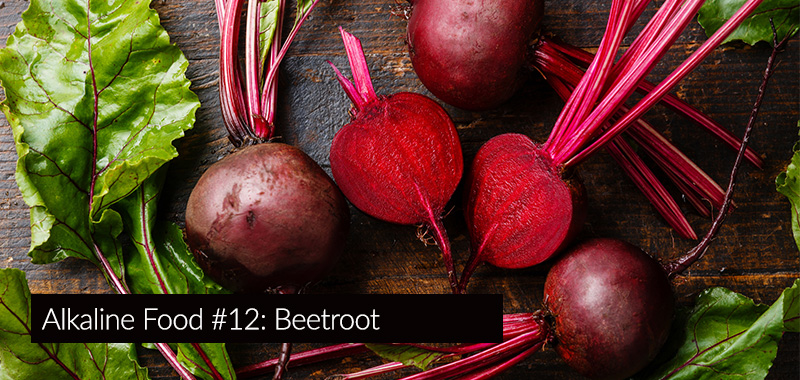
Beetroot is a wonder food that provides incredible nutritional value. It’s high in dietary fiber and has been shown to lower blood pressure and improve exercise performance.
Beetroot contains betaine which can be exceptionally beneficial to those with kidney problems, as it helps reduce the build up of homocysteine – a harmful amino acid linked to heart disease and stroke.
The high levels of betaine in beetroot also help prevent inflammation, creating an alkaline environment in the body, while helping liver cells regenerate.
Beetroot is widely used as a “beauty food” due to its deep red color which comes from bioflavonoids that are antibacterial, anti-fungal and anti-viral.
These active compounds also protect blood vessels from hardening, as well as protecting the skin from damage caused by free radicals. Beetroot is often applied topically to treat acne, varicose veins, scars, and dandruff. It’s also a good source of betaine which helps prevent liver damage by reducing the build up of homocysteine, a harmful amino acid linked to heart disease and stroke.
Beetroot also has natural anti-clotting capabilities which can reduce the chances of clotting in the blood vessels, especially if you’re taking blood thinning medication.
The betaine found in beetroot helps produce choline which is a key brain nutrient that supports memory, concentration and cognitive function.
The nitric oxide effect of beetroot also has a positive effect on the human body. Nitric oxide is a gaseous molecule made from combining nitrogen and oxygen that helps blood vessels relax, which means better circulation of more oxygen-rich blood throughout your entire body.
There are many great ways to use beetroot. You can juice it or grate fresh raw beets into salads and enjoy them with plenty of alkaline dressing. Beetroot can also be used to make lovely beetroot hummus too!
Nutrients per cup:
Folate: 34%
Manganese: 24%
Copper: 14%
Fiber: 19%
Potassium: 17%
Phosphorus: 9%
Magnesium: 9%
Vitamin C: 11%
Iron: 11%
Vitamin B6: 9%
Ross’ Recipe Containing Beetroot:
Alkaline Foods Research on Beetroot:
Andrew J Webb, Nakul Patel, et al.; Acute blood pressure lowering, vasoprotective, and antiplatelet properties of dietary nitrate via bioconversion to nitrite; 2008 Mar;51(3):784-90.
Margaret Murphy, Katie Eliot, Rita M Heuertz, Edward Weiss; Whole beetroot consumption acutely improves running performance; J Acad Nutr Diet; 2012 Apr;112(4):548-52. doi: 10.1016/j.jand.2011.12.002.
Ali A. El Gamal, Mansour S. AlSaid, Mohammad Raish, Mohammed Al-Sohaibani; Beetroot (Beta vulgaris L.) Extract Ameliorates Gentamicin-Induced Nephrotoxicity Associated Oxidative Stress, Inflammation, and Apoptosis in Rodent Model; Mediators Inflamm. 2014; 2014: 983952.
Alkaline Foods #13 – Turmeric
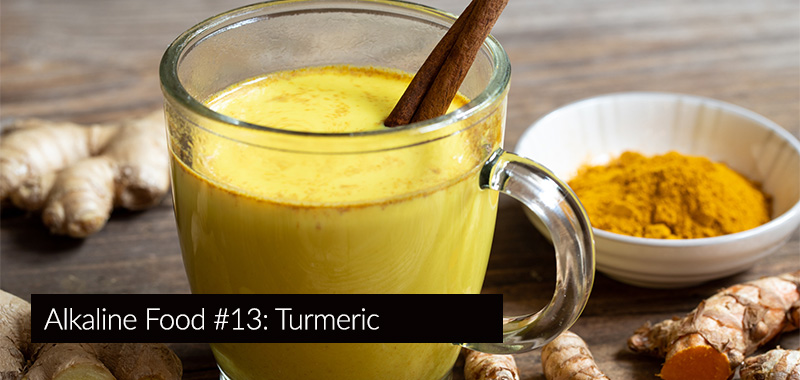
No alkaline foods list could be complete without turmeric. It is a total powerhouse. Turmeric comes from the root of the Curcuma longa plant and looks a little bit like a knobbly old finger from a wizard or witch in a kids book.
Turmeric is proven to be extremely powerfully anti-inflammatory, anti-carcinogenic, anti-viral, and of course ALKALINE, and so much more.
It is not only a powerful antioxidant but also increases the antioxidant capacity within the body.
The most powerful compound in turmeric is curcumin. Curcumin offers a potent ant-inflammatory activity, making this powerful for conditions such as arthritis and other auto-immune conditions, as well as heart health and brain health.
Curcumin also helps the body to develop a healthy immune system, can help with pain relief, and improves mood.
Turmeric is also fantastic for the digestive system is antibacterial, anti-parasitic, and full of nutrients that support your liver.
It’s also proven to be great for brain function making it excellent for memory, concentration, and cognitive performance.
Ross’ Alkaline Recipes Containing Turmeric (my gosh there are so many, but here’s a few):
- Two Powerful Turmeric & Ginger Teas
- Turmeric Golden Paste
- Roast Cauliflower & Turmeric Curry
- Anti-Inflammatory Soup
Research on Turmeric:
Balasubramanian K. Molecular Orbital Basis for Yellow Curry Spice Curcumin’s Prevention of Alzheimer’s Disease. J. Agric. Food Chem., 54 (10), 3512 -3520, 2006. 10.1021/jf0603533 S0021-8561(06)00353-0, Web Release Date: April 20, 2006. 2006.
Cruz-Correa M, Shoskes DA, Sanchez P, Zhao R, Hylind LM, Wexner SD, Giardiello FM. Combination treatment with curcumin and quercetin of adenomas in familial adenomatous polyposis. Clin Gastroenterol Hepatol. 2006 Aug;4(8):1035-8. Epub 2006 Jun 6. 2006. PMID:16757216.
Dorai T, Cao YC, Dorai B, et al. Therapeutic potential of curcumin in human prostate cancer. III. Curcumin inhibits proliferation, induces apoptosis, and inhibits angiogenesis of LNCaP prostate cancer cells in vivo. Prostate 2001 Jun 1;47(4):293-303. 2001. PMID:16280.
Hidaka H, Ishiko T, Furunashi T et al. Curcumin inhibits interleukin 8 production and enhances interleukin 8 receptor expression on the cell surface: impact on human pancreatic carcinoma cell growth by autocrine regulation. Cancer 2002 Sep 15;96(6):1206-14. 2002.
Alkaline Foods #14 – Ginger
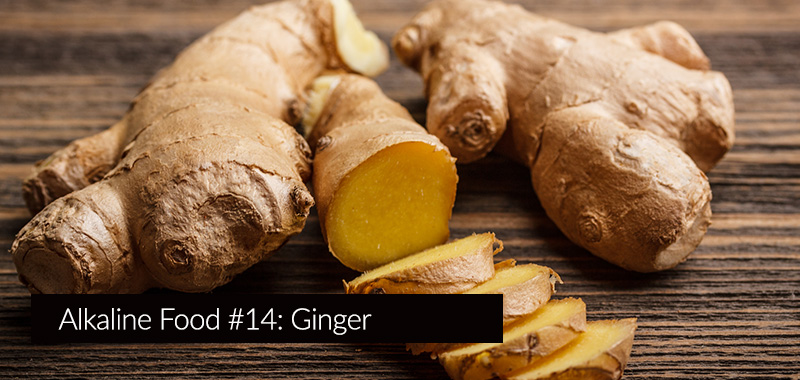
Ginger is a close relative of turmeric. It is quite simply an alkalising superfood. Ginger has fantastic alkaline, anti-inflammatory properties just like turmeric, but has other benefits that are unique, owing to the compound in ginger, cutely called gingerols.
The gingerol compound gives ginger so many benefits including anti-viral, anti-bacterial, anti-fungal and anti-protozoa.
Ginger’s benefits are vast, it helps kill flu viruses, staves off colds; reduces inflammation; prevents gastric ulcers (and fights bacteria that causes ulcers) – one study found that eating ginger every day for the year ended up in less than half of the people catching stomach bugs compared to those who did not.
Ginger has been proven to help prevent heart disease, reduces cholesterol, helps improve circulation and is a great natural pain killer.
Used together with turmeric – it’s a powerful daily one-two that will keep you alkaline, energized and thriving.
Ross’ Alkaline Recipes Containing Ginger:
Creamy Broccoli Ginger & Leek Soup
Leafy Greens & Ginger Stir Fry
Research on Ginger:
Gajalakshmi V, Jayaprakas C. Effect of [6]-gingerol, [8]-gingerol and [10]-gingerol on the production of prostaglandin E2 and leukotriene B4 in stimulated human polymorphonuclear leukocytes. Agents Actions 1990 Feb;29(2-3):175-8. 1990. PMID:2183471
Hosoda K, Ogura Y, Ohnuma T et al. Inhibitory effect of [6]-gingerol on the growth and metastasis of B16F10 melanoma cells in vitro and in vivo. Carcinogenesis 1999 Aug;20(8):1627-32. 1999. PMID:10402451
Kawamori T, Nosaka N, Shigematsu H et al. Combined inhibition of cyclooxygenase-2 and 5-lipoxygenase by [6]-gingerol and its stereoisomers. J Nat Prod 2002 Jan;65(1):31-3. 2002. PMID:11752762
Khaw KT, Khine H, Na HS et al. The effects of fish oil and ginger on blood pressure and serum lipids in hypertensive male Thais. Am J Hypertens 1999 Aug;12(8):713-7. 1999. PMID:10440142
Alkaline Foods #15 – Chia
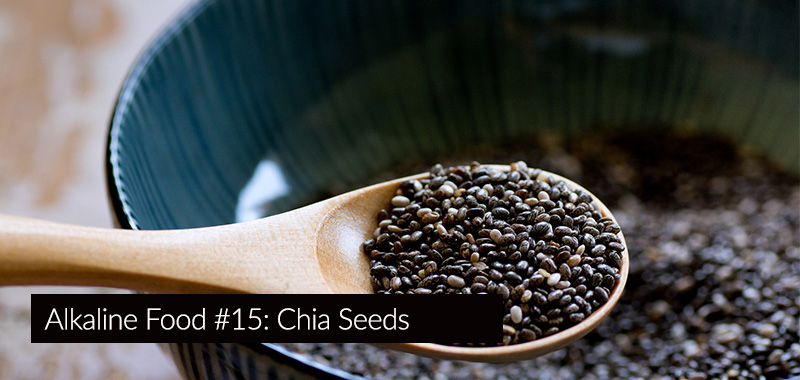
Chia is certainly one of the most alkaline foods you can include each day, and a very alkaline seed even though it’s from a desert plant.
It gets its superpowers from being one of the highest plant sources of omega 3 fatty acids, containing practically half of it in the form of ALA.
The other type of Omega 3 that chia seeds contain is much easier to metabolize and turn into energy for your body, this other form is DHA. Chia also contains fiber, and protein making it a great all-rounder in terms of macronutrients.
For micronutrients, chia contains lots of calcium, phosphorus, magnesium, and manganese, all highly alkaline minerals.
Chia also contains a lot of antioxidants that protect the chia seed from oxidation – slowing its aging process.
As for its alkaline benefits, chia seeds have been shown to reduce inflammation in joints and rid the body of free radicals which age us.
Nutrients per 28g:
Calcium: 63%
Omega 3: 42%
Phosphorus: 95%
Potassium: 5%
Zinc: 23%
Copper: 9%
Manganese: 108%
Ross’ Alkaline Recipes Containing Chia:
Research on Chia:
Olivier Martínez-Cruz, Octavio Paredes-López; Phytochemical profile and nutraceutical potential of chia seeds (Salvia hispanica L.) by ultra high performance liquid chromatography; J Chromatogr A. 2014 Jun 13;1346:43-8. doi: 10.1016/j.chroma.2014.04.007. Epub 2014 Apr 13.
Jordi Salas-Salvadó et al; Effect of two doses of a mixture of soluble fibres on body weight and metabolic variables in overweight or obese patients: a randomised trial; Br J Nutr. 2008 Jun;99(6):1380-7.
Vladimir Vuksan et al; Supplementation of conventional therapy with the novel grain Salba (Salvia hispanica L.) improves major and emerging cardiovascular risk factors in type 2 diabetes: results of a randomized controlled trial; Diabetes Care; 2007 Nov;30(11):2804-10.
How to Get The Most Alkaline Foods Daily: THIS IS REALLY IMPORTANT
I really want you to think about this:
If you made a smoothie or juice containing just 1/2 a cup of each of the top seven most alkaline foods it would give you:
Vitamin K – 1326% RDA
Molybdenum – 13.5% RDA
Vitamin C – 243% RDA
Potassium – 35% RDA
Manganese – 68% RDA
Magnesium – 32% RDA
Vitamin A – 386% RDA
Fiber – 47% RDA
Calcium – 22% RDA
Iron – 22% RDA
Folate – 66% RDA
Vitamin B2 – 21.5% RDA
Vitamin E – 16% RDA
Vitamin B6 – 22.5% RDA
Vitamin B5 – 15.5% RDA
ALL IN ONE DRINK?
Can you imagine this? Leaving the house every morning having already consumed 243% of your vitamin c intake, 47% of your daily fiber needs, 68% of you manganese and 32% of your magnesium, over 22% of you vitamin B2 – imagine all of the incredible antioxidants? All of these foods with high pH levels in your body before you’ve left the house?!
This really is giving you not only huge antioxidants, huge alkalinity, huge chlorophyll, huge detoxification nutrients – but if you want to go really mainstream – its giving you the recommended 5 Veg a Day before 9am!
Please give it a try – have a fresh vegetable juice or smoothie every morning for a week and let me know the effect this has!
Those are definitely my favorite high alkaline foods and those that I’ve chosen to include in my diet on an almost daily basis, and often several times per day.
I promise you if you include double the amount of these 7 foods than you currently are you will rapidly get towards your health goals.
Enjoy – let me know your thoughts, favorite foods, or even recipes below in the comments – I’d love to hear from you!
Ross
P.S remember the most alkaline foods are also usually the most nutrient-dense, high pH level, anti-inflammatory, antioxidant-rich foods too. If you incorporate these foods into your diet as much as you can, every day, you’ll really start to feel the difference.
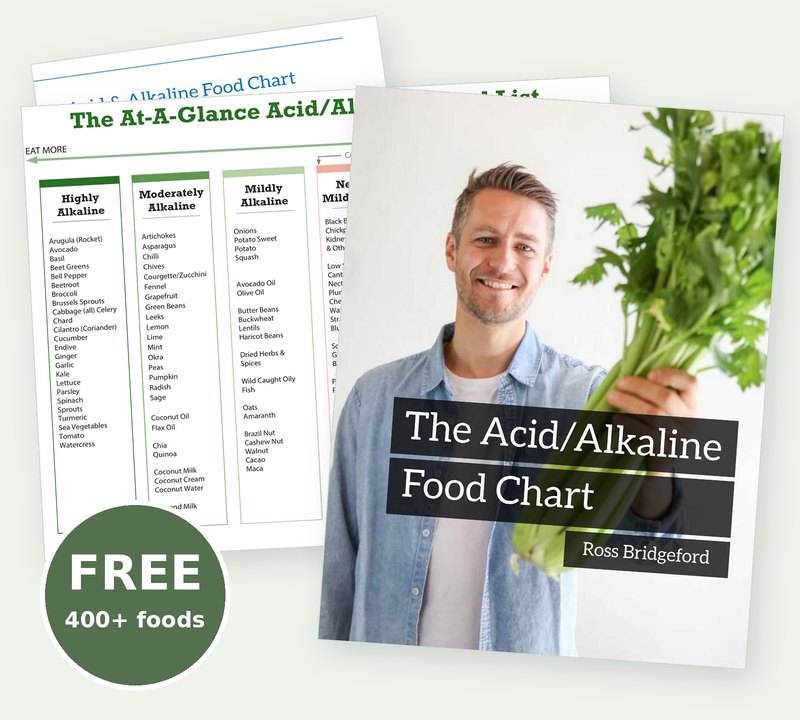
Free download
See where every food sits
My free alkaline food chart rates 400+ foods from Highly Alkaline to Highly Acidic, with a one-page version for your fridge. Check any food in seconds while you shop or cook.
It’s free. Just tell me where to send it.
Ross has taught and coached realistic, sustainable alkaline eating since 2004, working with thousands of clients around the world. He’s the author of The Alkaline Reset Cleanse and The Alkaline Life (Hay House). Ross is a health educator, not a doctor or dietitian, so if you have a medical condition, talk to your own health professional before making big changes to your diet.
Most Alkaline Foods Guide: Additional Resources
The Alkaline Foods List: 195 Foods Rated
The Alkaline Fruits Guide
Why Are Alkaline Foods Lists So Different? (click here)
5 Myths of the Acid/Alkaline Diet
Visual Guide to What ONE SERVE of Alkaline Foods Looks Like (click here)
The Best Alkaline Foods for Gout
Beginner’s Guide to the Alkaline Diet
The Guide to Alkaline Nuts
Alkaline Seasonings: 29 Herbs, Spices & Salts Rated
Can You Spot an Alkaline from an Acid Food?
The Nine Most Cleansing Alkaline Foods

Dear Ross
On a Thyroid website, I recently read that raw Brassicas have quite a detrimental effect on an under active thyroid.
I follow an alkaline diet and now feel slightly reluctant to juice spinach and other greens.
Please can you comment!
Hi Jennifer
There are lots of combinations and interactions when diagnosed conditions come into play. Sometimes our body is too far down a certain path to have a one-size solution. I recommend discussing everything with your physician and avoid the foods you find uncomfortable. As you get more in balance, you’ll be able to tolerate these foods again and get their benefits.
Ross
Is it true when you cook a red, yellow or green bell pepper does it change the consistency? Does it become acidic?
Thank you,
Suzette
Hi Suzette – it doesn’t become acidic, it just loses some of the nutrients. The more you take foods out of their natural state, the more nutrients you’ll lose…BUT that doesn’t mean you have to eat 100% raw – you still have to enjoy your food. Just aim to get a juice/smoothie/salad on a very regular basis!
Hi
I juice all the highly alkaline vegetables daily. Is this acceptable as intake or do you have to eat them?
Thanks
Hi Malcolm
Getting a juice is brilliant because you get way more quantity of these foods than you’d be able to eat and it gives you a great safety net – meaning everything else during the day is a bonus…
….BUT I would aim to eat other alkaline foods throughout the day too – if nothing else then for the fibre.
The short answer though is, yes, juicing is great.
Ross
Ross,
We include all of those veggies into our diet! Such a great list with thorough explanations. I also drink lemon/filtered water first thing in the morning most mornings which also helps with alkalinity.
Shared– you rock!
Thanks Astrid! You ROCK too!
Hi Ross
I have just discovered your site and l’m very grateful for sharing these info with us.
I’m just starting the alkaline diet and looking forward to feeling better soon.
Thanks million for your wisdom!
Marta
Good luck and stay positive!!
Oops, IMO, what runs souped up dragster circles around all these items, combined—then tripled—is one fruit—yellow lemons. Two cautions—in case it isn’t self evident, always take diluted with at least 15 parts of water, filtered for chlorine and fluoride, so as to not be possibly too strong for the stomach; it actually works better diluted, as water is the main constituent of circulation; second caution is, it should be sipped rapidly, and rinse several times with plain water afterwards. If allowed to remain on teeth past five minutes, it will start to dissolve tooth enamel. This should tell you what it does inside the arteries—it removes the calcium build-up. Vitamin K-2 works by a signalling mechanism, but for immediate retreat from possible vascular risk, the citric acid in lemon will solufy the calcium much faster than the K-2 could “redirect” it to the bones or sent out of the system. The lemon/citric acid will also remove any kidney stones. The D-limonene from the peel, which you will get some of, is anti-neoplastic, preventing “immortalization” of undifferentiated cells (cancer!) The potassium content is very alkalizing and should be taken advantage of, as the USA medical/pharma cartel arranged for potassium tablets to supply only 3 percent of the daily need (which is higher than their lowball estimates). Don’t even bother buying potassium pills, rely on lemons, used properly, they will not harm teeth enamel. Pomegranate will also clear arteries but I wouldn’t expect it to work as aggressively. Don’t expect 1 treatment to do the trick, it doesn’t have so much power. I’d say at least 4 months of twice per day, lemon “water,” if you want it to fail, add any type of sweetener—including honey. It can be added to orange juice to make it more palatable, and that will lessen the speed at which it cleanses the arteries. Remember lemon is a blood thinner, and an effective one—if on coumadin discuss with MD before using lemon. My experience with lemons impressed me so much that if I could have only one fruit, it would always be lemons.
Nice list, but this only true if organic for commercial grown food becomes acidic when grown with superphosphate. That is why it needs sprays to stay alive and not be attacked by pests. Plants that are not healthy in ecosystems get consumed by insects. Commercial carrots are now shown to be acidic and not alkaline. Alkalise and Shine!
Not sure if you received my e-mail, so I’m sending it again. I wanted to say thank you for all of the info. I definitely need it. I will spread the word and your site address along. I was wondering why verdolagas (purslane in english I believe) was not listed. Info says it is very high in omega 3s. Also I wondered why stevia was not acceptable for the green drinks? I know it is a sugar, but I saw it listed as very alkaline.
Hi Mary
Can you send more informaiton on this purslane, I’ve not heard of it. There is a limit to the foods I can fit on the list.
Also, stevia is highly acid forming, definitely not alkaline forming.
Thanks
Ross
Ross, some information that I found in Wikipedia says Portulaca oleracea which is Common Purslane is also known as Verdolaga, Pigweed, Little Hogweed, or Pursley, or Moss rose. Considered a weed in the U.S., it can be eaten as a leaf vegetable. It is eaten throughout much of Europe, the middle east, Asia, and Mexico. Purslane contains more omega-3 fatty acids than any other leafy vegetable plant. It contains vitamins A, C, some Bs, and carotenoids. The dietary minerals it contains are magnesium, calcium, potassium, and iron. It says a bunch of other good stuff about it.
I heard about it, bought it, have some growing in a big pot, but haven’t gotten the courage to eat something considered a weed.
Hi Mary, I came across this sight and it caught my attention when you were talking about purslane. I grew up eating this weed, my grandfather would actually plant it, the seeds are tiny. anyway, this stuff taste great. I harvest it here in Las Cruses, NM. it grows in the Pecan orchards and along canal banks, it also grows in my yard. Friends laugh when I go visit and take this weed from their yard and prepare it for them and they love it.
What I do is clean off all the dirt, I roughly chop it up. All of it except the roots. I get a pot and put a little olive oil and onions and tomatos and cook them for a few minutes, not to the point where the onions glaze, I then throw in the purslane (we call it Verdolagas) and a little broth, chicken or beef. Cover and slowly let it cook down till the stems are a little tender. Like all veggies you don’t want to over cook them. They taste great, it is my favourite veggie. What I also do is make a bowl of beans and I mix some of it with the verdolagas. It is awesome. I bet once you try it you will love them. P.s. you can also use butter if you don’t want to use olive oil.
Thanks, Albert, for your story. I copied the recipe and will give it a try soon. Yes, I give myself a week to think about it. Today is 7/19, so on the 24th of July I shall try it. Well, maybe. Anyway, thanks for your reply. Mary
I have heard conflicting statements about Stevia. Some sites say that it is alkaline forming. Apparently it is a natural sweetener, derived from the stevia rebaudiana plant. Another site says it is mildly acid forming. I wonder if it’s source being a plant makes any difference.
Ross, great site. Question: In the list you provided here, I see that most of them are loaded with vitamin C. Isn’t vitamin C considered acidic as it is found in citrus fruits like Orange?
Thanks.
Great site and article. But I am surprised you are citing nutrient content based on the RDA. I have never thought of a RDA based system as giving us what we really need. The numbers are usually very low.
Hey Leslie
I’m using it because it’s what most people know, plus it allows us to compare these foods in a relative way to other food products, vitamin labels etc.
They are usually low, but this is why it’s great to see the alkaline foods going so far and beyond above 100%.
Ross
Awesome article!
Uff you are sooo beautiful. Thank you for sharing such a wealth of information. Love from Pakistan 🙂
Test
I also forgot to mention that he smoothie gives me and my partner great smooth, healthy skin, hair, amazing energy boost and a mean, light and flexible body!! Carrot juice can also me mixed in. Another hint is not to use juicer, but use a blender so as to keep fibers in.
Blenders are good for smoothies but It is not recommended to blend the vegetables because of the toxins in our food today. It is believed that most of the toxins are locked up in the pulp left behind when one juices vegetables. Our family have been juicing since the early 20th century when they had to grate the vegetables and squeeze the juices out by hand diluting the juice with water. Then my mother discovered her first juice extractor in the early 1970s in the USA along with a copy of the Norman Walker juicing book. In this book Mr Walker states that “by the removal of the fibres in the extraction of the juices, such juices are very quickly digested and assimilated, sometimes in a matter of minutes, with a minimum of effort and exertion on the part of the digestive system.” He adds that there is a need to eat raw foods in addition to drinking juices. The point really is that juicing affords the benefits from the food whilst resting the digestive system.
Interesting insight Dawn, thanks for sharing. I do believe a mix of juicing and blending is best for me personally and I buy organic whenever possible.
Hi Dawngirl, good point and I agree with you about juicing. I have treated a stage IV ovarian and colon cancer patient with all organic produce, from granny smith apple, carrots, kale and so on and I only use Norman walker juicer because in my opinion it’s the best in the market. The benefits of juicing is phenomenal. I give my patient a coffee enema and massage as well. I followed Ross for a while now with his research. Thanks, Ross for sharing :).
Your grand smoothie of alkaline ingredients has become a staple at my place and given me and my partner with great nutrition, detox properties and weight loss. Kale, avocado, kiwi, bell pepper, cucumber, celery all the way with occasional spinach, honey or stevia, dark chocolate, watercress and apples
Dear Ross, thank you for wonderful info. I am diving deeply into alkaline foods now. After regularly drinking Alkaline Water and water with Baking Soda, eating Wheat Grass – now I look into food alkalinity. I read many food charts and am glad you confirmed – my favorite Broccoli is rated well. I also thought you might be right person to ask this question: All charts mention RAW or cooked food, not frozen food. I only can buy locally large packs of FROZEN Organic Broccoli. I do not bother with fresh “non-organic”. After my favorite meal with Organic Brown Rice and Organic Brown Broccoli is ready, I am pretty sure it is alkaline. But I am curious, does it make any sense to eat frozen Broccoli without cooking, for purpose of better alkalinity? I am still searching for more Food Charts with alkalinity for frozen food, cooked later or eaten after brought to room temperature.
I also never make juice like most of people do – on high speed machines. Such machines kill what is best in fruits, veggies. For two reasons – high speed and associated oxygen being absorbed quickly, with enzymes gone, then electromagnetic fields from near motor. Only slow motion, ideally no electricity, hand driven. I wonder if you know about alkalinity worsened when high speed mixers used for juicing. I can not find related info.
Thank you, Peter
Hi Ross, thanks for the work you do, I am a newbie but it is starting to make sense. My comment is, sometimes I open your emails but it goes direct to a stupid acai berry diet website and I cant work out if the email is from you and they somehow hijack it or if they are sending me false emails under your name (im not very technical) Its happened several times, any advice?
Thanks for all of your hard work to get this info out to those who care about their health, including me. Thanks
Love what you do, and always look forward to new interesting emails. Still a rookie and learning. I will get it all right some day.
Hey Amber – just take it day-by-day and step-by-step – you’ll get there!
Ross
Hi Ross, I have just tried the 7 items you suggested mixed with chicken stock in a smoothie. It tasted absolutely disgusting!!!!!
Paul Miller.
WHATS HAPPENED TO MY QUESTION !! IT WAS NO.2
hi ross
i was looking for alkaline foods becs i want to concieve a boy baby…i came to know that more alkaline food helps in having a baby boy..so ur tips helped me a lot…..thank u
Thanks so much for putting all this info together. Food is medicine, so when I’m feeling low or need something specific I find what nutrients will help, and eat it! And you attach recipes too! You’re awesome, and way cute 😉 Take care.
Hi Ross
Thank you for great info everytime you right something:-)
I have a question for you. I eat spinach everyday and think that I get much out of it. The thing is that many people talks about that you shouldnt eat spinach that much and that it could even be really bad for you according to many studies! Do you have a coment on that?
Many thanks in advance!
Alla the best
Peter Z
I have heard that spinach contains a lot of oxalic acid, and I notice that my teeth feel on edge when I eat it compared with my teeth feeling silky when eating other green foods and drinks so I tend not to consume too much for this reason. Can you tell me if Oxalic acid is a problem.
Thankyou
Dear Susie
I have been told by a medic that spinach should be avoided by osteoporosis sufferers because of its high oxalic acid which is harmful to bones
Thank you for the goodwill and info. I am 3/4 century old and dreaming of going vegetarian. Its kind of late but there is nothing to stop me except inertia. Can suggest any recipe books for the tropics ?
The New Becoming Vegetarian: The Essential Guide To A Healthy Vegetarian Diet by Vesanto Melina and Brenda Davis
is a great guide to get started!
Very good info, thanks. What about Moringa as one of the best? Some say it is the most nutritious and others are unaware of it.
Moringa IS a superfood with too many to mention benefits. Look it up on internet and you will find tons of info on moringa.
I have two moringa trees- they grow prolifically. Just harvest the leaves-stripped from the branches , dry them away from the sunlight, but with plenty of air circulation- for several days, till eat leaves are crunchy. Then put in blender and pulverize till a powder. put in glass jar and refrigerate. You can then use a spoonful in smoothies over veggies, as a ‘tea” or just add to water. It is an awesome addition to your meals. To grow, just take a branch from any moringa tree and stick it in the ground and watch it grow. It is not a fuss plant and needs virtually no special attention. Good luck!
Hi Ross,
Your article about the 7 most alkaline foods is interesting and I will be trying some of the recipes, although they are already commonly known to be good for you. But what about if your alkaline levels are already optimal, isn’t there a danger of going too alkaline?
What do you think of the so called Superfoods such as Goji Berries, Acai berries, Mangosteen or Wheatgrass? Or aren’t they considered alkaline enough?
Thanks, Paul Miller.
Hi Ross. I was just wondering if there is any research that directly indicates a benefit to eating alkaline foods. It certainly seems logical but I wonder if it just a massive post hoc fallacy.
Hi Ross,
Opened up your large message of the 7 highly Alkaline foods & wondered whether I was on track, had I missed anything, because I eat raw veggies throughout the day & have more for dinner. I’ve only missed 2! Had such a giggle…. celery is not my favourite and don’t know too much about Kale. The other 5 however are huge favourites, especially spinach & broccoli!
Thanks for all your inspiration!!!
Paula
Hi Ross,
You need to be careful about advocating that people eat lots of raw broccoli in general, and especially if they have, or may be predisposed to, thyroid problems. Raw broccoli is not recommended in those situations. I know this from a fully qualified Naturopath (degree) practitioner.
Just thought I’d mention it, seing that it is otherwise such a good food.
Note: This blog is only my opinion. It is not medical advice or diagnosis. Only opinions based upon our own personal experiences or information detailed in medical/academic journals or other publications is cited. WE DO NOT OFFER MEDICAL ADVICE or prescribe any treatments. Please consult with a medical professional before making any diet or nutrition changes
I have gout will this way of eating help ease the flare ups¿
I had also heard this too and wondered what quantities are a safe level if you have thyroid issues?
Hi Ross, I’ve found a delicious miso soup in the supermarket- tanoshi miso soup with tofu. It has seaweed, spring onions and silk tofu pieces. At 4cals per cup it’s been helping me stave off hunger and it’s so yummy. But what about it’s acidity? Can you help me please? Is it acid forming?
Best wishes,
Michelle
Hi Ross,
Thank you for all these informations. Please tell me: is alkaline diet good for osteoporosis or someone must add more nutrient foods.
Than you again.
Elef
Hi ross,
I am very much interested in this alkaline diet. And am also
Drinking at least. 2 litres of lemon water a day.
I have severe osteoporosis could this be a problem.
We eat a lot of kale and spinach and looking forward to
Leading a healthier, we are in our seventies but I quess it
Never to late. Thank you very much for making. Me
Aware of. This
Corrinne
Thank you for thesse valuable informations ….
so that we get less stress in getting more alkaline
Luc http://mister-no-stress
Excellent excellent information… I wish I had known about this 1 year and a half ago, I could have saved my grandmother who passed away from cancers. We now that cancer cannot thrive in a alkaline based environment.
Thank you for this information, it is obvious much research has gone into this and I will be sharing it with my loved ones.
Coincidentally bought all of these today from the supermarket!
do you have a room I could rent for 6 months so I can get my butt in gear??!! I would love to wake up every day, eat the right foods and exercise!
I agree! Maybe a guest house where several of us could learn to get up and get moving more and how to prepare all of this yummy goodness.
Green Blessings!
Great Information. I am new to this type of thought. I am a female who has had quite a few UTI’s in the recent years. I am thinking that my diet has played a large role in this problem. If you can give me any suggestions to help, I’d appreciate it. I am also considering going gluten free.
thanks
Thanks for the info u are the man! Take care
Ross, this is great. I make myself a salad now almost every day of 1/2 avocado, tomato, red pepper, onions and carrots. I usually will put it on a bed of spinach or other leafy green, and sometimes I just leave it on the bed of carrots if I’ve already gotten my greens in that day. I didn’t read all the comments, so don’t know if I’m being redundant here (and I apologize in advance), but you may want to remind people that you must rotate your greens. You cannot have the same greens every day, day in and day out, or you will get sick. This is not only better because your body needs the variety of nutrients that are found in a bunch of different foods, but also because green leafies (as I call them) contain certain amounts of toxins as defense, and you don’t want those building up in your body. I am not familiar enough yet to know which plant families are which, but I’ve read that rotating between the families is a good rule of thumb.
Hi,
I drink home made kefir & kombucha tea every day plus I eat home fermented sauerkraut. These have been around long time & are known to be good for us…
Great site & interesting articles!
Hi Ross
Thanks for all this great information and the time you take to do it all.
Hi Ross,
Namaste.
From Nepal I found the information very useful Thanks a lot for that The seven alkaline foods could not be found easily here. Instead only five are found and the Nepalese have the habit of eating it only cooked. So… . will that be a problem/
Thank you very much for all this information. I am lucky in that they are ALL my favourite foods. Adding more to my diet is not a chore in the least. I have noticed that on frantically busy weeks when I don’t eat these foods as much, I certainly feel the difference. Good luck everyone! 🙂
Thank you for your insight and knowledge. I love all these foods and have just recently added the fresh spinach and my family just loves it to my surprise. I use it fresh or add to foods and cook. My next food source to try is the kale and have several good ways to prepare.
Thanks again for all the good information!!!
Thank you for your insight and knowledge.
Hi Ross,
I think this is great but am a little confused as to how you picked these to be the 7 most alkaline foods when your own definitive acid/alkaline food list has some but not all of them listed in the “highly alkaline” section, along with other foods like sprouts and grasses which are not featured in the article? Thanks!
Hi Ross,
All I can say is ‘thankyou’ for sharing your wonderful ideas, and for free! There are so many websites out there with different advice and I have made a pact with myself never to pay for anything unless thoroughly researched. The information you give just FEELS so right! Have been doing totally alkaline for about a month now and have lost nearly a stone in weight. But mostly doing it for my new hubby who suffers from a gout-like attack every year around this time. He still has slight inflammation which moves like a lift between his toe and his knee but it is SOOOO much less painful than other attacks. And as I told him, years of excess may take more than a month to clear! Have nearly convinced him to fork out for a Chanson water system, but he’s understandably reluctant!
What I would really love to know (and do not seem to be able to find reliable info on anywhere) is the alkaline (once eaten) values of dried goji berries, organic raw cacao nibs, and home grown wheatgrass – they are all such amazing foods but we really want to alkalise as much as possible and would be willing to forego them if necessary. We had our first taste of wheatgrass this morning and it was so sweet – am concerned that the sugars have not had time to convert and that perhaps bought frozen shots grown organically over 2 – 3 months in a field might be more alkali.
Any ideas on the above would be fab! And once again thank you for being such an inspiration.
Rachel
Hi Ross,
The “Twitter bug”…..
You can recreate by reducing your window size down smaller by resizing it much smaller….this then makes the “offending”box appear over your blog comments. Your fluid left side column is probably the culprit…..if you were to fix the width in px or maybe % should solve it. This is the bit of code that webdeveloper (https://www.google.com/chrome?brand=GGRF&utm_campaign=ww&utm_source=ww-cws-banner&utm_medium=et) threw up for me :
..http://liveenergized.com/wordpress/wp-content/themes/thesis/style.css?041411-30457
* (line 19)
{
padding-top: 0pt;
padding-right: 0pt;
padding-bottom: 0pt;
padding-left: 0pt;
margin-top: 0pt;
margin-right: 0pt;
margin-bottom: 0pt;
margin-left: 0pt;
}
body (line 18)
{
background-color: #ffffff;
background-image: none;
background-repeat: repeat;
background-attachment: scroll;
background-position: 0% 0%;
background-clip: border-box;
background-origin: padding-box;
background-size: auto auto;
color: #111111;
font-size: 62.5%;
}
http://liveenergized.com/wordpress/wp-content/themes/thesis/layout.css?093011-60902
body (line 53)
{
font-family: Calibri,”Helvetica Neue”,Helvetica,Arial,Verdana,sans-serif;
}
null
body (line 2286)
{
}
body (line 2286)
{
}
I have not check this to see your problem but may help you find the problem….
the code is pointing to the theme directory of your wordpress install ….but I guess you know this….
The print version of the blog also has a problem…..Yes I liked your article so much that I printed it ! Shame it had a silly box in the middle of every page ! But hay I can live with it 🙂
Thanks for the article ….very good !
happy reading